Standing in the hardware store aisle, staring at rows of sprays, traps, and powders, you might wonder: can I handle this myself, or should I call in the pros? It's a question nearly every homeowner faces at some point. Whether you've spotted a trail of ants in the kitchen or heard suspicious scratching in the walls, deciding between DIY pest control vs hiring a professional depends on several important factors. Let's break down what you need to know to make the smartest choice for your home, your budget, and your peace of mind.
DIY Pest Control vs Hiring a Professional: What Homeowners Should Consider
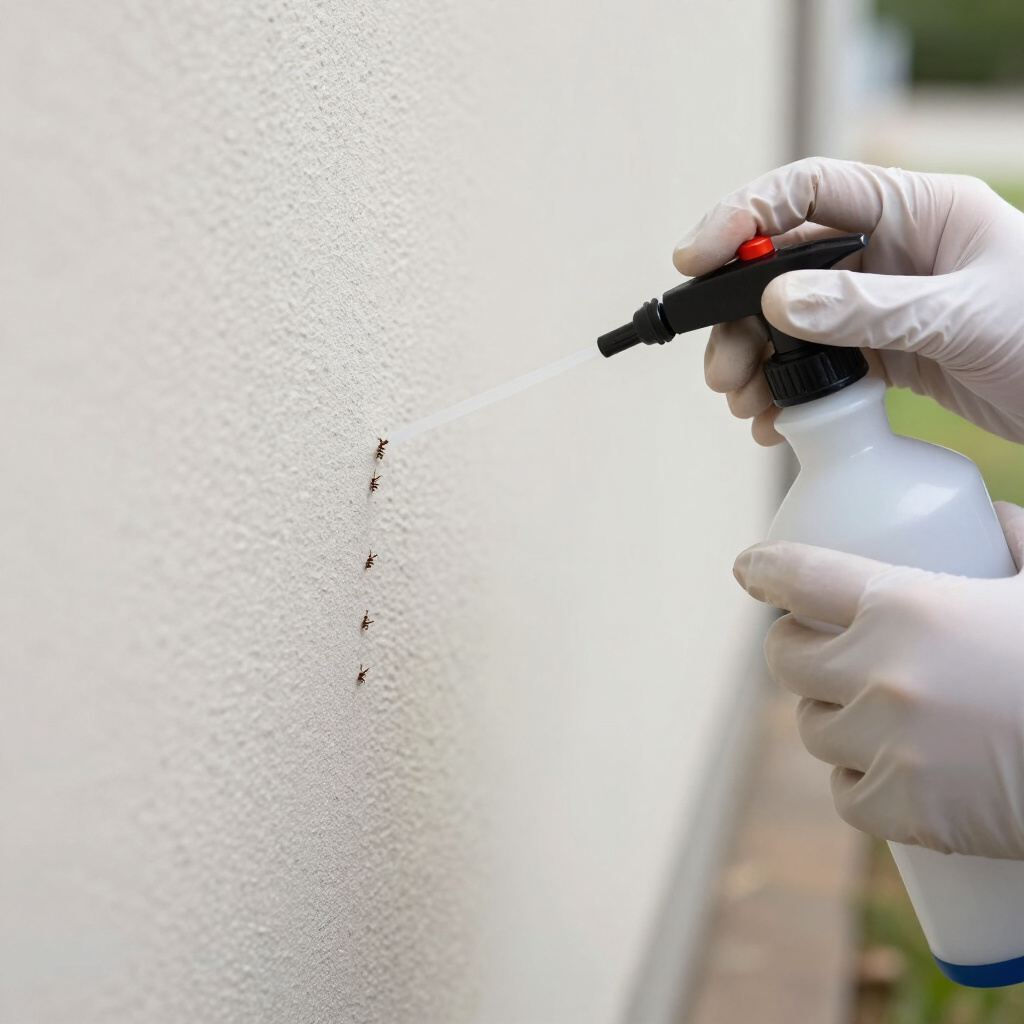
When pests first appear, the DIY route often seems appealing. Store-bought solutions are readily available, relatively affordable, and promise quick results. For minor problems—a few fruit flies, an isolated spider, or a small ant trail—taking matters into your own hands can work well. Simple measures like sealing food containers, fixing leaky faucets, and using bait stations sometimes resolve the issue completely.
However, DIY methods come with significant limitations. Most over-the-counter products address only the pests you can see, not the larger colony or nest hiding behind walls, under foundations, or in crawl spaces. Misapplication is another common pitfall. Using too much pesticide in the wrong areas can create health risks for your family and pets, while using too little simply wastes money and allows the infestation to grow. Additionally, many homeowners misidentify pests, treating for ants when they're actually dealing with termites—a mistake that can cost thousands in structural repairs.
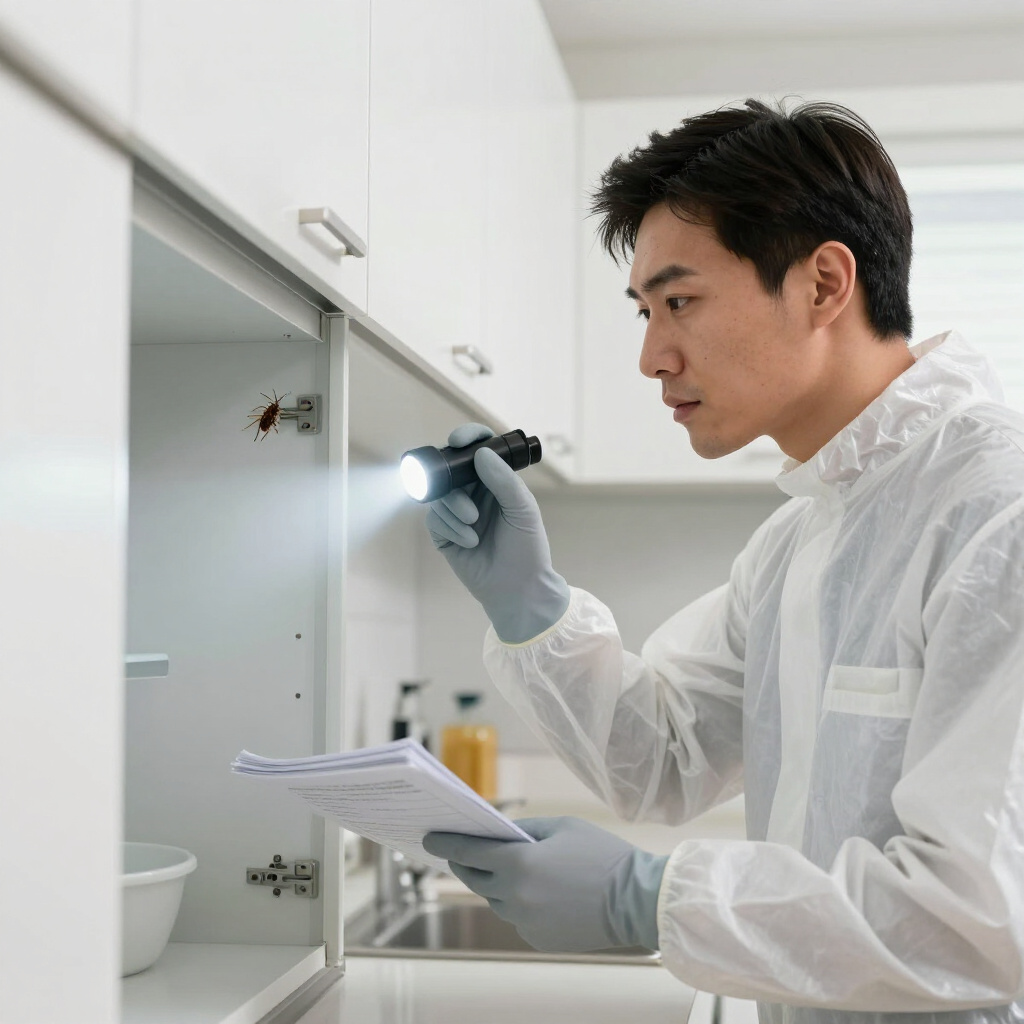
Professional pest control technicians bring training, experience, and specialized equipment to the table. They understand pest biology, behavior patterns, and the most effective treatment methods for each species. Perhaps most importantly, they know how to locate and eliminate the source of the problem, not just the symptoms.
When DIY Makes Sense—and When It Doesn't
Certain situations genuinely suit the do-it-yourself approach. Preventative maintenance falls squarely in this category. Keeping your home clean, storing firewood away from the house, trimming vegetation back from exterior walls, and installing door sweeps are all effective DIY strategies that reduce pest attraction and access points.
Single-occurrence invaders also respond well to home treatment. A wasp nest on the porch railing, a mouse that squeezed through a known gap, or a cluster of boxelder bugs on a sunny fall day—these limited scenarios often resolve with targeted DIY intervention.
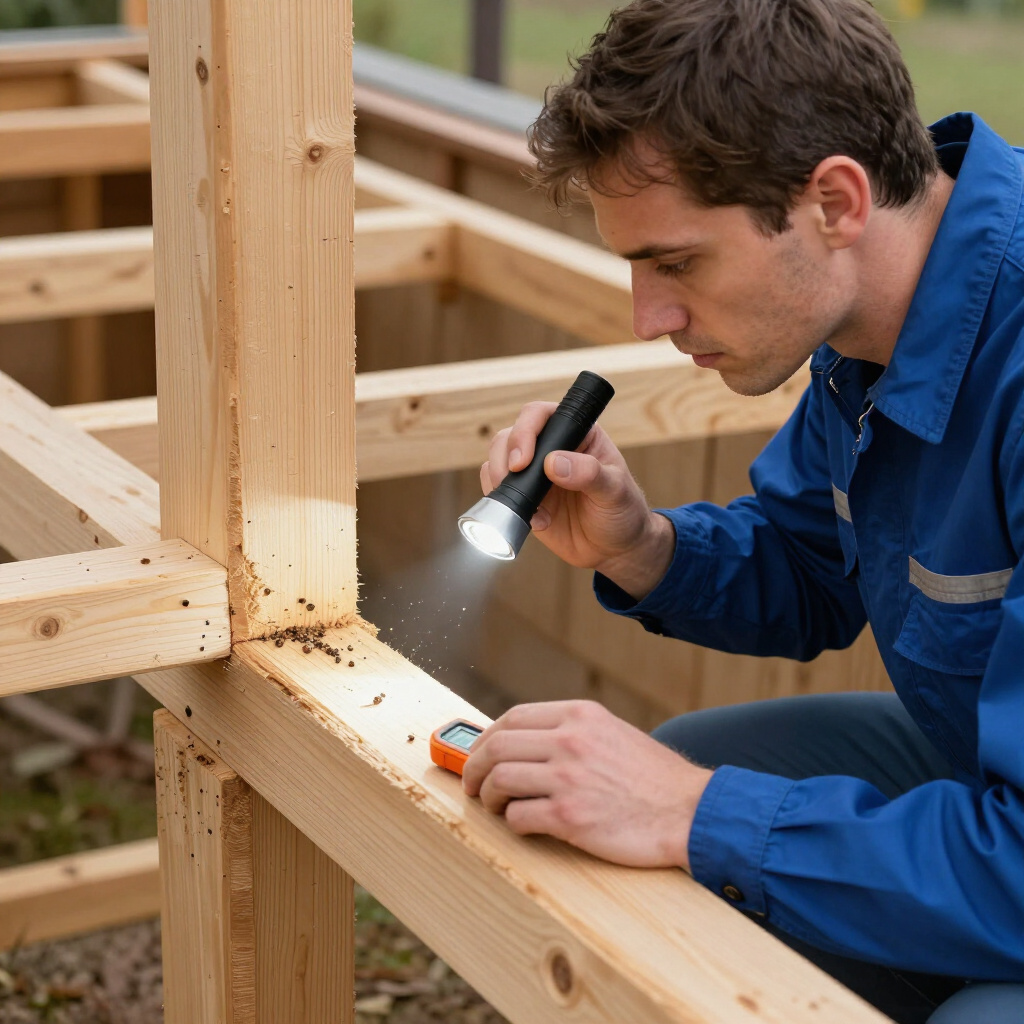
But some red flags should send you straight to the phone. Recurring problems despite repeated DIY attempts indicate you're not reaching the root cause. Large or widespread infestations—whether rodents, cockroaches, bed bugs, or termites—require professional-grade solutions and often integrated pest management strategies. Stinging insects in hard-to-reach locations pose safety risks that aren't worth taking. Pests causing structural damage, like carpenter ants or termites, demand immediate professional attention to prevent escalating repair costs. Finally, if anyone in your household has allergies, respiratory conditions, or chemical sensitivities, professional application ensures safer, more controlled treatment.
Understanding Cost, Time, and Long-Term Value
At first glance, DIY appears cheaper. A $15 can of insecticide versus a $150 service call seems like an easy math problem. But this comparison rarely tells the whole story. Consider the hidden costs: repeated purchases when the first treatment fails, damaged food or belongings, time spent researching and applying products, and worst of all, the expense of repairing damage that worsened while you experimented.
Professional services typically include follow-up visits, monitoring, and guarantees. Many companies offer free retreatment if pests return between scheduled visits. This ongoing protection often proves more economical than the cycle of buying, trying, and re-buying DIY products. When weighing DIY pest control vs hiring a professional, think in terms of total cost of ownership rather than the initial price tag.
Time investment matters too. Your weekends are valuable. Learning proper identification, application techniques, and safety protocols consumes hours many homeowners would rather spend elsewhere. Professionals arrive prepared, work efficiently, and free you to focus on priorities that matter more to you.
Key Tips for Making Your Decision
Start with honest assessment. How severe is the infestation? How long has it persisted? Have previous efforts failed? If you're seeing pests daily, finding droppings, noticing damage, or smelling musty odors, the problem likely exceeds DIY capabilities.
Research thoroughly if you choose DIY. Read product labels completely—including safety precautions and proper application sites. Never use outdoor products indoors. Keep all pesticides away from children and pets. Follow re-entry time guidelines strictly, and never mix different chemical products.
If you hire a professional, verify credentials. Look for licensed, insured companies with solid local reputations. Ask about their treatment approach, what products they use, and whether they offer guarantees. A trustworthy technician will explain what they're doing, why they're doing it, and what results you should expect.
Consider hybrid approaches too. Some homeowners maintain professional quarterly services for prevention while handling minor seasonal issues themselves. This balanced strategy provides consistent protection without over-relying on either approach.
Final Thoughts
There's no one-size-fits-all answer in the debate of DIY pest control vs hiring a professional. Minor, straightforward problems often respond well to informed homeowner action. But complex, persistent, or potentially dangerous infestations deserve professional expertise. The key lies in recognizing which situation you're facing and responding appropriately rather than letting pride or penny-pinching lead to bigger problems down the road. Your home is your biggest investment—protecting it wisely means knowing when to roll up your sleeves and when to make the call.