
Finding a spider in your shower or spotting cobwebs in ceiling corners can make your home feel less like a sanctuary and more like a haunted house. While most spiders are harmless and even helpful predators that control other pests, that doesn't mean you want them setting up camp indoors. The good news? Keeping spiders out of your house is entirely achievable with some practical, consistent habits and a few strategic home improvements.
How to Keep Spiders Out of Your House by Sealing Entry Points
Spiders are master contortionists that can squeeze through incredibly small gaps. If you want to keep spiders out of your house, start by thinking like one—look low, look high, and examine every potential crevice.
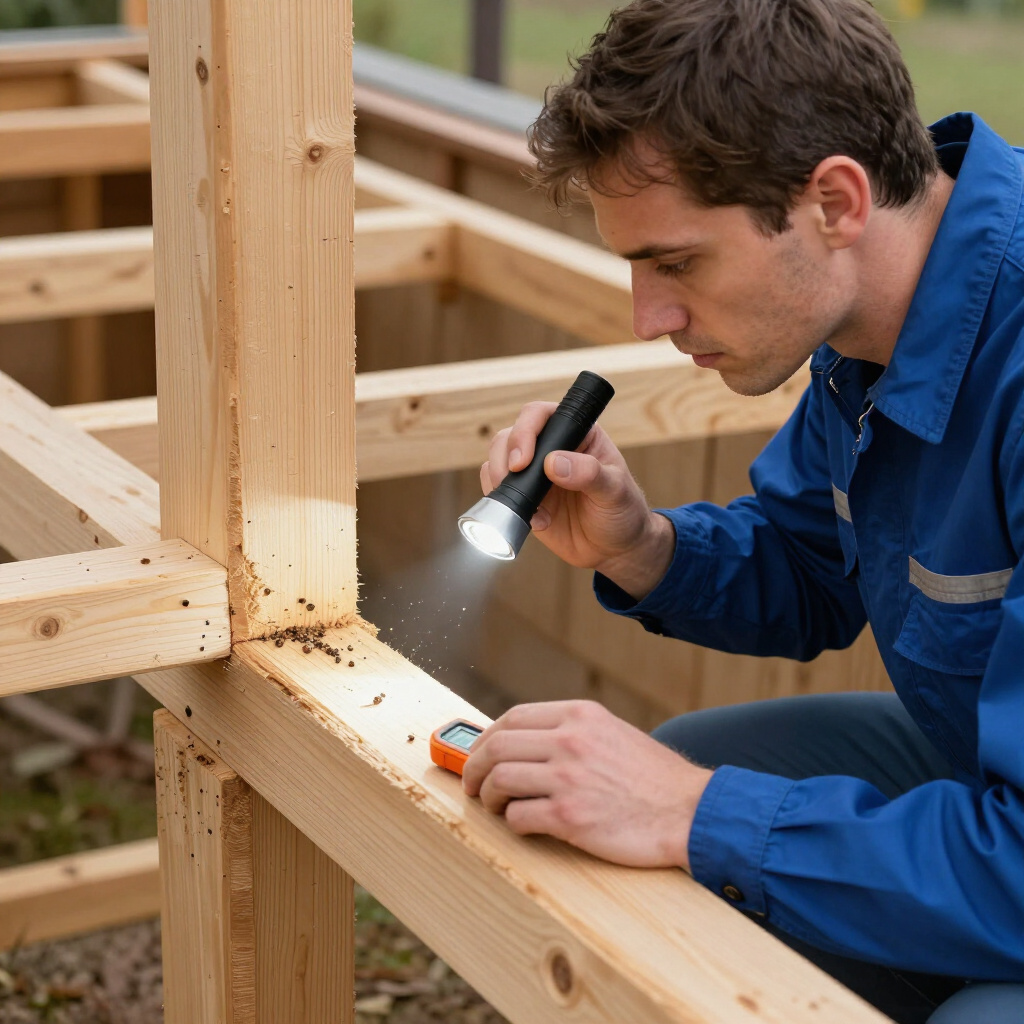
Begin with a thorough inspection of your home's exterior. Check window screens for tears or loose frames, and replace any that are damaged. Weatherstripping around doors wears down over time, creating inviting gaps for spiders to slip through. Door sweeps are equally important; that small space beneath your front door is a highway for pests of all kinds.
Don't overlook utility penetrations. Where pipes, cables, or vents enter your home, there are often gaps left during construction or that have developed over time. Seal these with caulk, steel wool, or expanding foam depending on the size and location. Foundation cracks deserve attention too—even hairline fractures can serve as entry points for spiders seeking shelter from temperature extremes.
Chimneys and vents present another challenge. Install fine mesh screens over vents and chimney openings to allow airflow while blocking spider access. Just ensure the mesh is fine enough—standard hardware cloth with quarter-inch gaps won't stop smaller spider species.
Reduce the Conditions That Attract Spiders
Spiders don't enter your home by accident. They're following food, seeking moisture, or hunting for shelter. Understanding these motivations lets you make your home fundamentally less appealing.
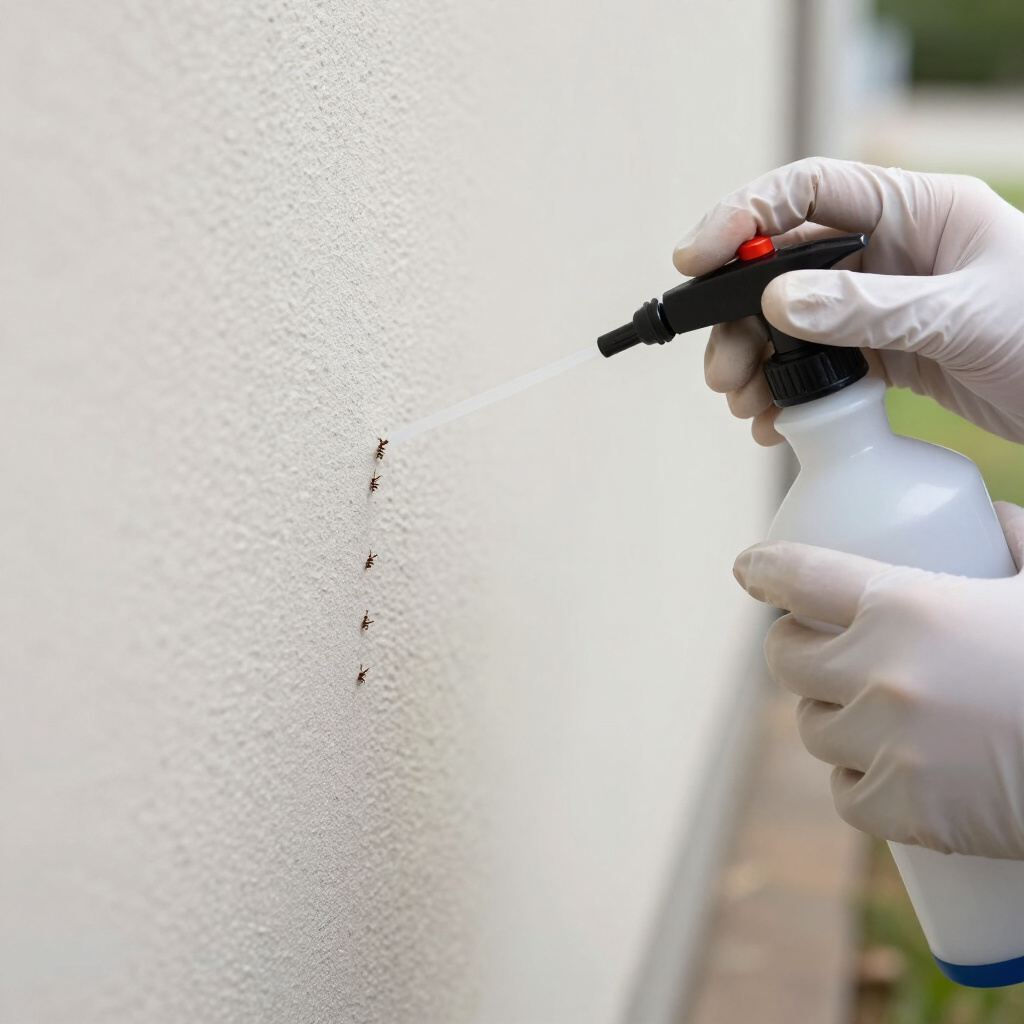
Other insects are the primary draw. Spiders are predators, and where there's prey, predators will follow. A persistent fruit fly problem, an ant trail in the kitchen, or moth infestations in pantry goods all signal to spiders that your home is a reliable hunting ground. Addressing these underlying pest issues is perhaps the most effective long-term strategy for keeping spiders out of your house.
Moisture control matters significantly. Spiders prefer humid environments, which is why basements, bathrooms, and crawl spaces tend to harbor more eight-legged residents. Run dehumidifiers in damp areas, fix leaky pipes promptly, and ensure bathrooms have adequate ventilation. Pay special attention to condensation-prone windows, which create perfect microhabitats for web-building species.
Clutter provides hiding spots and undisturbed web-building locations. Cardboard boxes in attics, piles of newspapers, and overstuffed closets all offer spider-friendly real estate. Transition to plastic storage containers with tight-fitting lids, and maintain organized spaces where spiders can't settle undisturbed. Regular disruption—simply moving items and cleaning corners—discourages spiders from establishing territories.
Exterior lighting deserves strategic consideration. Standard white lights attract flying insects, which in turn attract hunting spiders. Switch to yellow or sodium vapor bulbs, which are less attractive to insects, or position lights to illuminate your yard without shining directly on entry doors and windows.
Key Tips for Ongoing Spider Prevention
Consistent maintenance transforms occasional efforts into reliable protection. These practical habits reinforce your home's defenses against spider intrusion.
Establish a regular cleaning routine. Vacuuming isn't just about cleanliness—it physically removes spiders, egg sacs, and webs. Pay special attention to corners, behind furniture, under appliances, and in ceiling junctions. When you remove a web, you're not just improving aesthetics; you're eliminating a spider's hunting infrastructure and forcing it to relocate.
Manage your landscape strategically. Keep shrubs, tree branches, and dense vegetation trimmed back from your home's exterior walls. These serve as bridges that let spiders bypass ground-level defenses entirely. Maintain a debris-free zone immediately adjacent to your foundation—no leaf piles, stacked firewood, or decorative rocks that harbor moisture and insects. Store firewood at least twenty feet from your home and elevate it off the ground.
Use natural deterrents judiciously. Certain scents repel spiders, including peppermint oil, vinegar, and citrus. While these won't create an impenetrable barrier, they can supplement other measures. Mix peppermint oil with water in a spray bottle and apply to entry points, window sills, and basement corners. Reapplication is necessary every few days for effectiveness, and these work best as part of a comprehensive approach rather than standalone solutions.
Address outdoor lighting seasonally. In warmer months when insect activity peaks, be extra vigilant about light placement and bulb choices. Consider motion-activated lights that minimize constant illumination while still providing security.
Inspect seasonal items before bringing them indoors. Firewood, camping gear, potted plants, and stored holiday decorations often harbor stowaway spiders. A quick visual check and, when appropriate, shaking out items outdoors can prevent accidental introductions.
Final Thoughts
Keeping spiders out of your house isn't about a single dramatic intervention—it's about stacking multiple defensive strategies that work together. Seal the physical pathways, eliminate the environmental attractions, and maintain consistent habits that make your home inhospitable to these persistent arachnids.
Most spider encounters in homes involve harmless species, and complete elimination is neither realistic nor ecologically desirable since spiders do control genuine pests. The goal is management: reducing indoor populations to levels where encounters become rare, and your home feels comfortably yours again.
If despite your best efforts you're facing persistent spider problems—particularly concerning species like brown recluses or black widows—professional pest control can provide targeted treatments and identify structural issues you might have missed. Sometimes an expert perspective reveals vulnerabilities that aren't obvious to the untrained eye.
With attention to these fundamentals, you can significantly reduce spider presence and enjoy greater peace of mind in every room of your home.