
Few things disrupt the comfort of home quite like turning on the kitchen light at midnight and discovering a marching column of ants across your countertop. These tiny invaders seem to appear from nowhere, following invisible highways to every crumb and sticky spot you've missed. The good news? With the right approach, you can make your home far less appealing to ants and stop problems before they start.
How to Prevent Ants From Invading Your Home Starts With Understanding Their Behavior
Ants don't randomly wander into houses—they follow established trails laid down by scout ants who've found something worth sharing with the colony. Once a food source is discovered, ants leave behind a pheromone trail that acts like a neon sign for nest-mates. This is why you'll often see ants traveling in such precise, predictable lines.
Understanding this behavior changes how you approach prevention. Simply killing the ants you see won't solve the problem if the scent trail remains active and attractive. Effective prevention means interrupting this communication system, removing what draws scouts inside in the first place, and sealing the entry points they use to access your home.
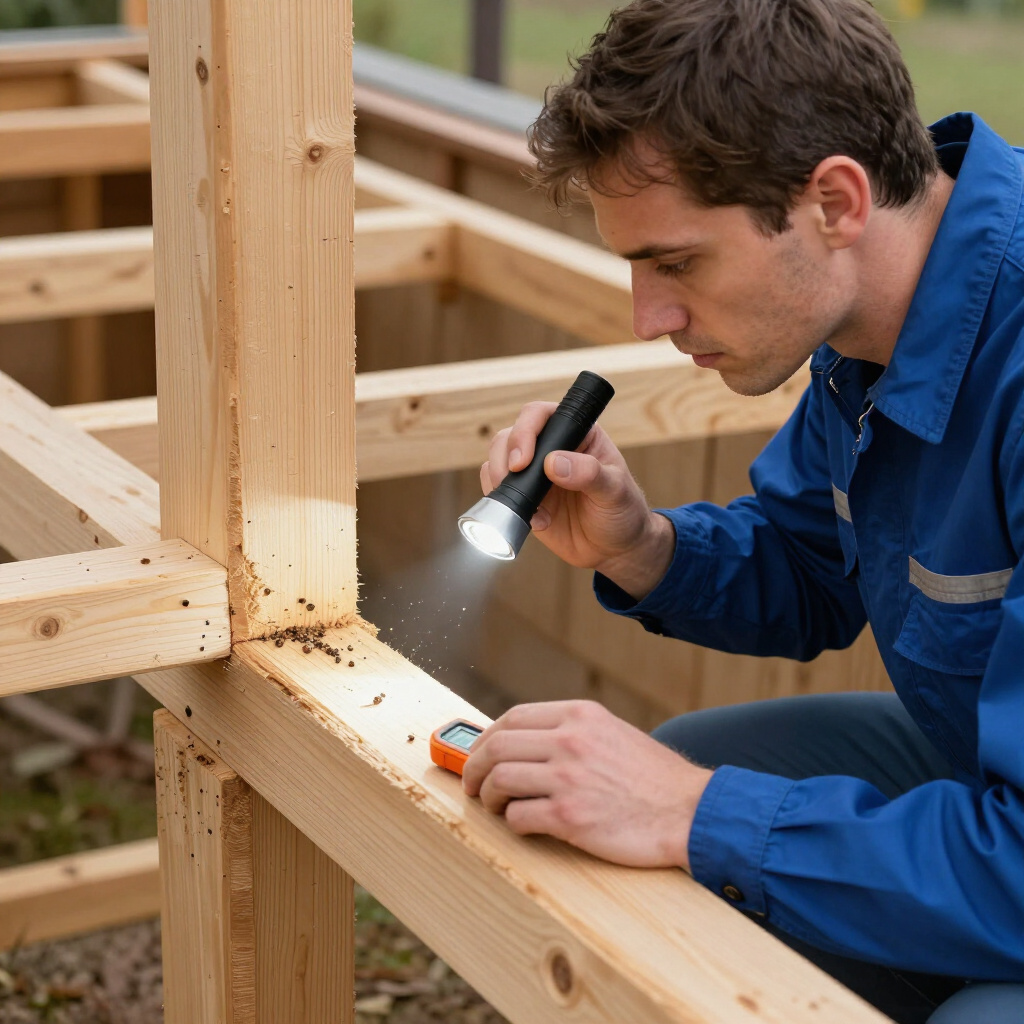
Different ant species also behave differently. Sugar ants swarm to sweets, while grease ants prefer proteins and fats. Carpenter ants tunnel through damp wood rather than eating it. Knowing which type you're dealing with helps you target your prevention efforts more precisely, though the core principles remain similar across species.
Remove the Food Sources That Attract Ants
The single most effective step in ant prevention is eliminating accessible food. Ants operate on efficiency—they won't waste energy on a home that doesn't deliver rewards. Make yours a dead end.
Start with rigorous kitchen hygiene. Wipe down counters after every meal preparation, paying special attention to edges and corners where crumbs collect. Sweep floors daily, and don't forget the spaces beneath appliances where food debris often accumulates unnoticed. Store pantry items like sugar, flour, and cereals in sealed glass or hard plastic containers rather than original packaging that ants can easily penetrate.
Pet food presents a common oversight. Leave bowls out only during feeding times, and store dry pet food in airtight containers. Even small spills around the feeding area can attract attention from foraging scouts. The same goes for bird feeders near windows or doors—consider relocating them farther from your home's exterior.
Take your garbage out regularly, and use bins with tight-fitting lids. Rinse recyclable containers before tossing them, as the residue from juice bottles and food cans is more than enough to draw interest. Compost bins should sit well away from the house with secure covers.
Seal Entry Points and Create Physical Barriers
Ants can squeeze through remarkably small gaps—some species need just a millimeter of space. A thorough inspection of your home's exterior reveals more entry opportunities than you might expect.
Walk around your home's perimeter and examine where utilities enter through walls. Gaps around pipes, cables, and air conditioning lines often go unsealed. Apply silicone caulk to these openings, expanding foam for larger voids, and install door sweeps on exterior doors to eliminate ground-level gaps. Check window screens for tears and ensure frames fit snugly.
Inside, inspect baseboards, electrical outlets, and areas where pipes pass between rooms. These internal pathways allow ants who've entered one area to spread throughout the house. Caulk or foam these routes to compartmentalize any potential infestation.
Consider your landscaping as well. Tree branches that touch or overhang your roof create bridges ants readily use. Trim vegetation back at least a foot from exterior walls. Mulch and dense ground cover installed directly against foundations provide ideal nesting conditions—maintain a bare buffer zone or use gravel instead.
Key Tips for Maintaining an Ant-Free Home
Consistency separates successful prevention from ongoing frustration. Build these habits into your regular home maintenance routine for lasting protection.
Address moisture issues promptly. Leaky faucets, condensation buildup, and damp basements attract certain ant species and also soften wood that carpenter ants target. Run dehumidifiers in humid spaces and repair plumbing problems quickly.
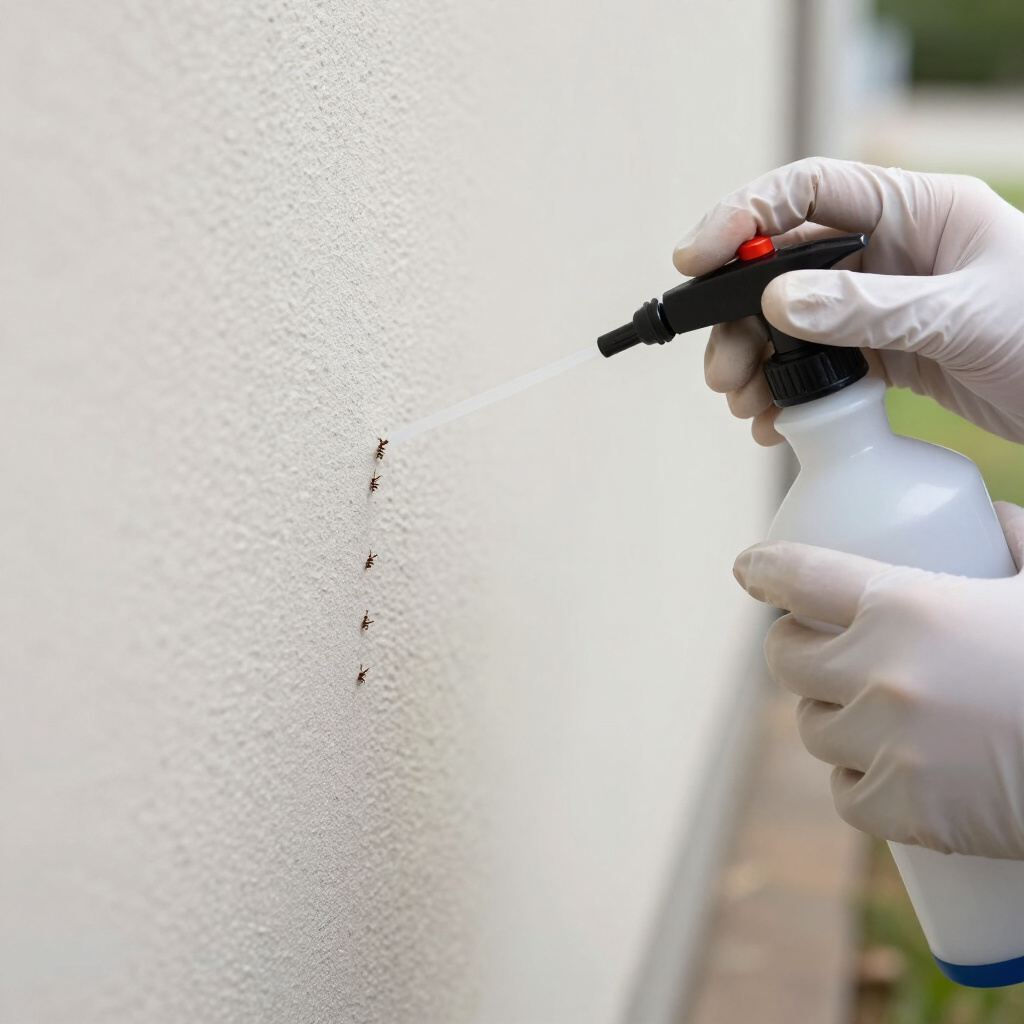
Clean with disruption in mind. When you spot even a few ants, wipe down their travel path with soapy water or a vinegar solution. This destroys the pheromone trail and confuses subsequent foragers. Do this before reaching for insecticides, as chemical sprays alone won't eliminate the invisible roadmap.
Use natural deterrents strategically. Diatomaceous earth sprinkled in dry, out-of-reach areas damages ants' exoskeletons. Borax-based baits placed along exterior walls can reduce colony populations when ants carry the slow-acting poison back to the nest. However, baits require patience—avoid the temptation to kill ants on contact, as this prevents them from sharing the bait with the colony.
Know when professional intervention becomes necessary. If you're seeing ants consistently despite thorough prevention efforts, or if you notice sawdust-like frass indicating carpenter ant activity, a pest control professional can identify hidden nests and apply targeted treatments that over-the-counter products cannot match.
Final Thoughts
Preventing ants from invading your home combines vigilance with smart home maintenance. The effort you invest in sealing gaps, storing food properly, and maintaining cleanliness pays dividends in a pest-free living environment. Remember that ants are persistent and opportunistic—your prevention efforts must match that consistency. Start with the fundamentals today, and you'll spend far fewer nights surprised by unwanted kitchen visitors tomorrow.