

Nothing disrupts the comfort of home quite like discovering unwanted visitors scurrying across your kitchen floor or hearing mysterious scratching in the walls. Whether you live in a historic bungalow or a modern apartment, household pests can find their way inside—and once established, they're notoriously difficult to eliminate. The good news? Most infestations are entirely preventable with the right knowledge and consistent habits. Let's explore the most common household pests and the practical strategies that actually keep them out.
Most Common Household Pests and How to Prevent Them
Understanding your enemy is the first step in effective pest management. Different pests require different approaches, and misidentification often leads to wasted effort and continued problems.
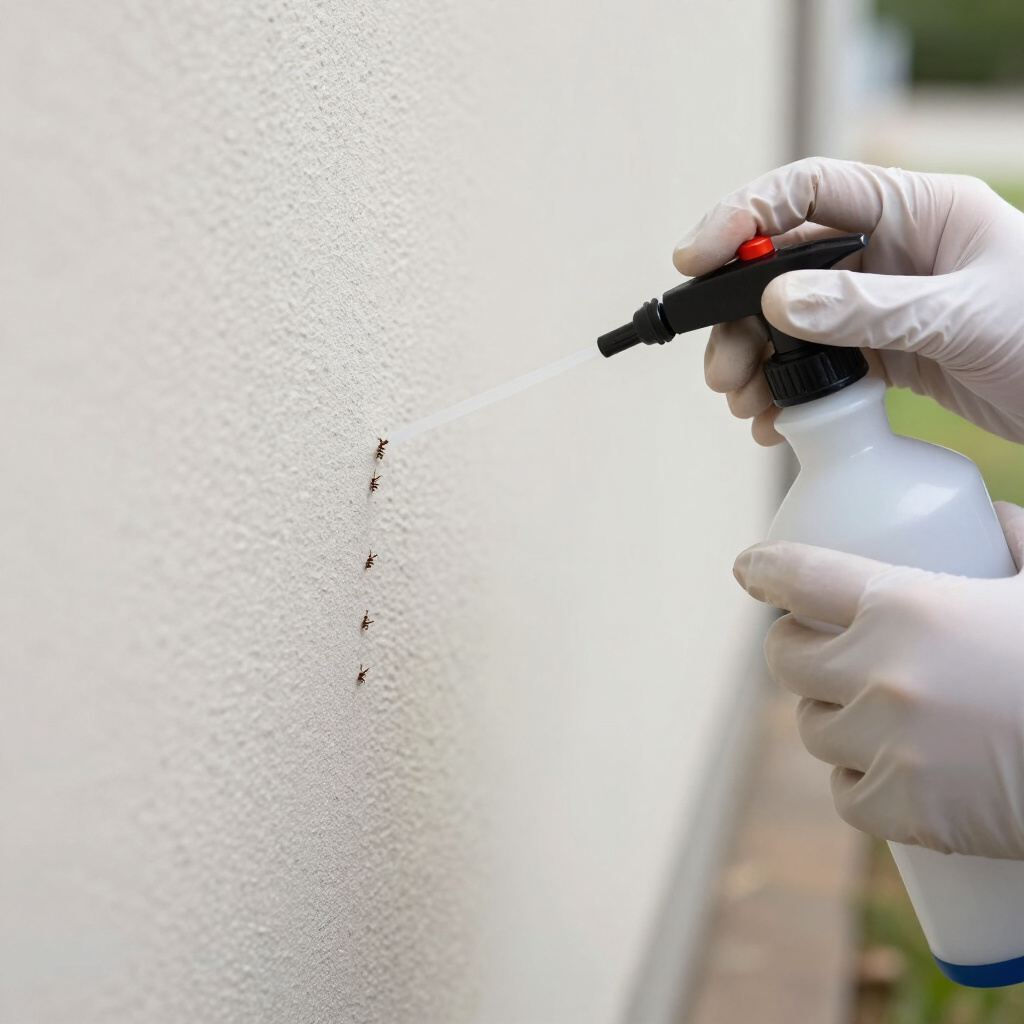
Ants rank among the most frequent invaders, drawn by even the tiniest food remnants. These persistent foragers establish scent trails that guide entire colonies into your home. Prevention starts with impeccable cleanliness—wipe counters daily, store food in sealed containers, and address sticky spills immediately. Outdoors, trim vegetation away from your foundation and seal cracks around windows and doors with silicone caulk.
Cockroaches thrive in warm, humid environments with access to food and water. These nocturnal pests pose genuine health concerns, as they contaminate surfaces and trigger allergies. Eliminate their habitat by fixing leaky faucets, using dehumidifiers in damp basements, and keeping drains covered. Store garbage in lidded containers and remove it regularly. Boric acid powder applied judiciously in void spaces can provide additional protection where appropriate.
Rodents seek shelter as temperatures drop, squeezing through gaps as small as a dime. Mice and rats cause structural damage by gnawing wires, insulation, and woodwork. Inspect your home's exterior thoroughly—seal openings around utility penetrations, install door sweeps, and ensure vents have sturdy mesh screens. Inside, declutter storage areas where nests might form, and never leave pet food accessible overnight.
Termites represent perhaps the most financially devastating threat, silently consuming wooden structures for years before detection becomes obvious. Subterranean species require soil contact and moisture, so maintain proper drainage around your foundation. Keep firewood, mulch, and wooden debris away from your home's perimeter. Annual professional inspections are invaluable—these experts recognize early warning signs that homeowners routinely miss, such as mud tubes along foundation walls or hollow-sounding timber.
Bed bugs have resurged dramatically, hitchhiking home in luggage, used furniture, and clothing. These resilient insects hide in mattress seams, box springs, and cracks near sleeping areas. When traveling, inspect hotel beds before settling in and keep luggage elevated on racks. At home, encase mattresses and box springs in protective covers, reduce bedroom clutter that provides hiding spots, and launder bedding in hot water regularly. Secondhand purchases warrant careful examination before bringing them indoors.
Spiders, while often beneficial predators, become unwelcome when they multiply indoors. Most species enter seeking other insects, so controlling their prey naturally reduces their presence. Reduce outdoor lighting that attracts flying insects near entry points, seal gaps around windows and doors, and keep basements, attics, and garages organized to eliminate harborage. Remove webs promptly when they appear.
Seasonal Pest Prevention Strategies
Pest pressure fluctuates throughout the year, and aligning your prevention efforts with seasonal patterns yields superior results.
Spring's warming temperatures awaken dormant pests and trigger breeding cycles. This is the ideal time for a comprehensive exterior inspection—repair winter damage to screens, soffits, and weatherstripping. Clean gutters thoroughly to prevent moisture accumulation that attracts multiple pest species. Apply fresh mulch cautiously, keeping it several inches from your foundation.
Summer brings peak activity for ants, mosquitoes, and stinging insects. Maintain rigorous sanitation habits during these months when doors and windows see frequent use. Ensure window screens fit properly without tears. Eliminate standing water in birdbaths, flowerpot saucers, and clogged drains where mosquitoes breed.
Fall represents critical preparation time as rodents and overwintering insects seek harborage. Inspect and seal potential entry points before cold weather arrives. Store summer items in sealed plastic containers rather than cardboard that attracts silverfish and carpet beetles. Schedule professional termite inspections during this transitional period.
Winter demands vigilance against indoor pests that establish during colder months. Continue monitoring for rodent activity, as heating systems create attractive warmth. Inspect stored holiday decorations before displaying them, as boxelders and stink bugs may have sheltered within.
Key Tips for Long-Term Success
Sustainable pest prevention relies on integrating multiple strategies rather than relying on any single tactic.
Most Common Household Pests and How to Prevent Them effectively comes down to moisture management, structural maintenance, and sanitation discipline. Address all three pillars consistently, and you'll dramatically reduce your vulnerability.
Consider your landscaping choices carefully. Dense foundation plantings, ground covers touching your home, and wood-chip mulch directly against siding create bridges and moisture conditions that favor pest establishment. Maintain clear, dry zones immediately adjacent to your structure.
When prevention measures prove insufficient, early professional intervention prevents minor issues from becoming major infestations. Licensed pest control professionals possess access to tools and products unavailable to consumers, along with training to apply them safely and effectively. They also identify contributing conditions you might overlook.
Document any pest sightings with dates, locations, and descriptions. This record helps professionals diagnose patterns and tailor treatments appropriately. It also tracks whether your prevention efforts are succeeding over time.
Finally, resist the temptation to rely solely on over-the-counter sprays for every situation. Misapplied pesticides can endanger family members and pets while potentially dispersing pests deeper into wall voids rather than eliminating them. Targeted, informed approaches consistently outperform broad chemical applications.
Final Thoughts
Protecting your home from pests is an ongoing commitment rather than a one-time project. The strategies outlined here—sealing entry points, eliminating moisture and food sources, maintaining vigilant cleanliness, and scheduling professional inspections—work synergistically to create an environment where pests simply cannot thrive. Start with the measures most relevant to your current situation, then gradually build comprehensive habits. Your home should remain your sanctuary, and with thoughtful prevention, it will stay that way—comfortable, healthy, and entirely yours.