
You don't need harsh chemicals to keep your home pest-free. Whether you're worried about pets, children, or simply want a more eco-friendly approach, natural pest control methods offer effective solutions that work with nature rather than against it. The key is understanding which techniques target specific pests and how to apply them correctly for lasting results.
Natural Pest Control Methods for Common Household Invaders
Natural pest control methods have evolved far beyond old wives' tales. Today's proven approaches combine biological knowledge with practical application to address infestations at their source. For ants, a simple line of food-grade diatomaceous earth creates an impassable barrier that damages their exoskeletons without posing risks to mammals. Sprinkle it along baseboards, window sills, and entry points, then reapply after vacuuming or mopping.
For crawling insects like cockroaches and silverfish, boric acid remains one of the most reliable natural treatments. Mixed with a small amount of sugar or flour as bait, it attracts pests and disrupts their digestive systems. Place the mixture in corners, under appliances, and behind cabinets—anywhere you've noticed activity. Unlike sprays, boric acid continues working for weeks, providing ongoing protection.
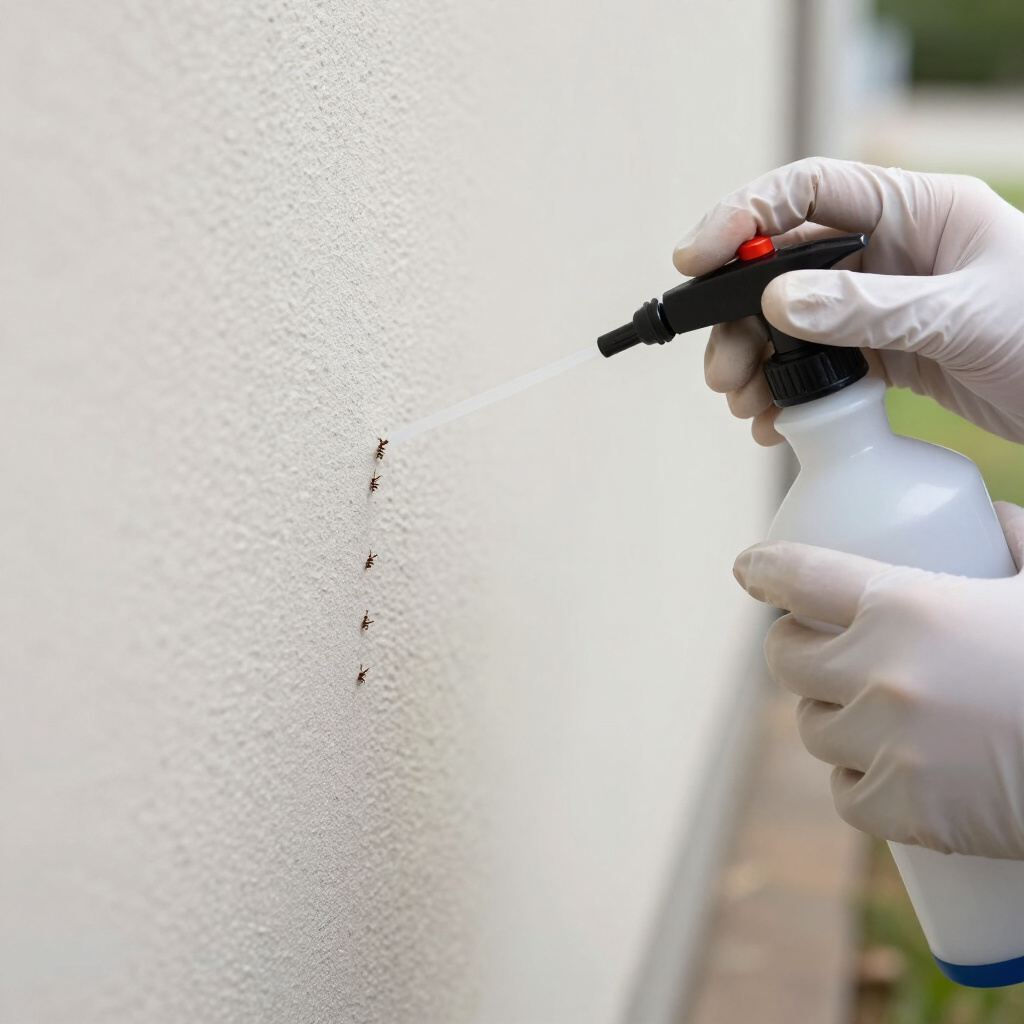
Essential oils have gained popularity for good reason. Peppermint oil effectively repels spiders, mice, and even mosquitoes when diluted and sprayed around entry points. Tea tree oil and eucalyptus work similarly against various insects. The trick is reapplication; these volatile compounds evaporate within days, so consistent treatment matters more than concentration.
Preventative Strategies That Stop Problems Before They Start
The most successful natural pest control methods begin long before you spot a single intruder. Pests enter homes seeking food, water, and shelter—eliminate access to these, and you've solved most problems without any products at all.
Start in your kitchen. Store dry goods in airtight glass or metal containers rather than cardboard or plastic bags that pests can chew through. Clean under appliances regularly where crumbs accumulate unnoticed. Fix dripping faucets and address condensation issues; a single water source sustains rodents and insects far longer than you'd expect.
Your home's exterior deserves equal attention. Trim tree branches and shrubs so they don't touch your roof or walls—these act as highways for ants, rodents, and squirrels. Maintain a six-inch gravel or stone barrier around your foundation; many crawling insects hesitate to cross dry, exposed ground. Ensure gutters drain properly and don't create moist environments near your structure.
Consider your landscaping choices carefully. Cedar mulch naturally repels many insects compared to standard wood chips. Planting mint, lavender, rosemary, and marigolds around your home's perimeter creates living barriers that deter mosquitoes, flies, and various crawling pests while adding beauty to your garden.
Key Tips for Maximizing Natural Approaches
Natural solutions require patience and persistence that chemical alternatives sometimes bypass. Understanding these nuances helps you succeed where others give up too soon.
Identify your pest correctly before treating. What eliminates fruit flies won't touch drain flies, and ant species respond differently to various baits. Take clear photos and research or consult a professional if uncertain. Misidentification leads to wasted effort and continued frustration.
Combine methods rather than relying on single solutions. Diatomaceous earth at entry points plus proper food storage plus essential oil repellents creates layers of protection that prove far more effective than any one approach alone. Think of natural pest control as a system, not a product.
Monitor and adjust based on results. Place glue boards or simple tape traps in suspected areas to gauge activity levels. If you've applied treatments for two weeks without improvement, your approach needs modification. Sometimes natural methods reveal underlying issues—structural gaps, moisture problems, or neighbor infestations—that require different solutions.
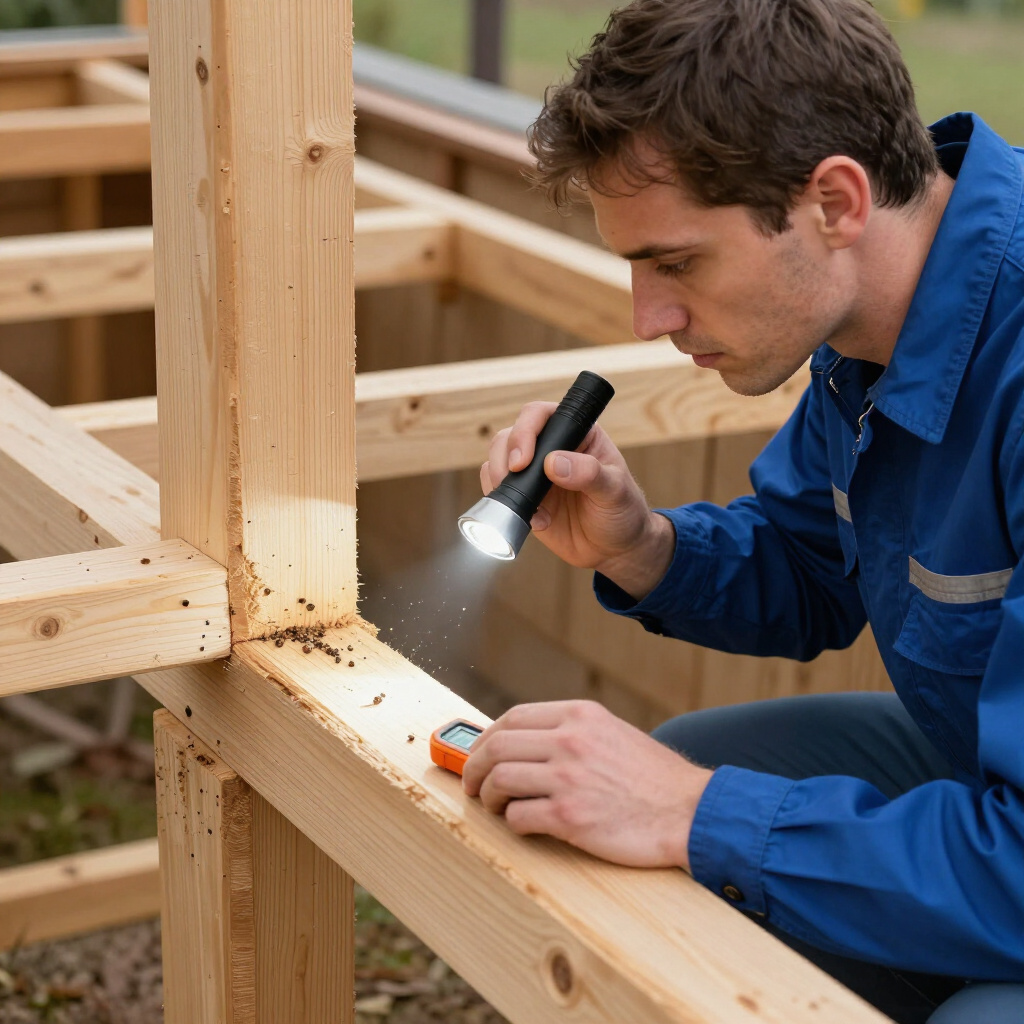
Know when to call professionals. Natural methods work wonderfully for prevention and minor issues, but established infestations of termites, bed bugs, or extensive rodent populations often need integrated approaches. Reputable pest control companies now offer eco-conscious options and can advise on maintaining natural methods afterward.
Final Thoughts
Natural pest control methods that actually work aren't myths—they're simply methods that require understanding, consistency, and realistic expectations. By combining physical barriers, biological deterrents, and smart prevention, you create an environment where pests simply aren't welcome. The investment in learning these approaches pays dividends in reduced chemical exposure, lower long-term costs, and the satisfaction of solving problems through ecological wisdom. Start with one or two techniques that match your current challenges, build habits around prevention, and expand your natural toolkit as you gain confidence and see results.