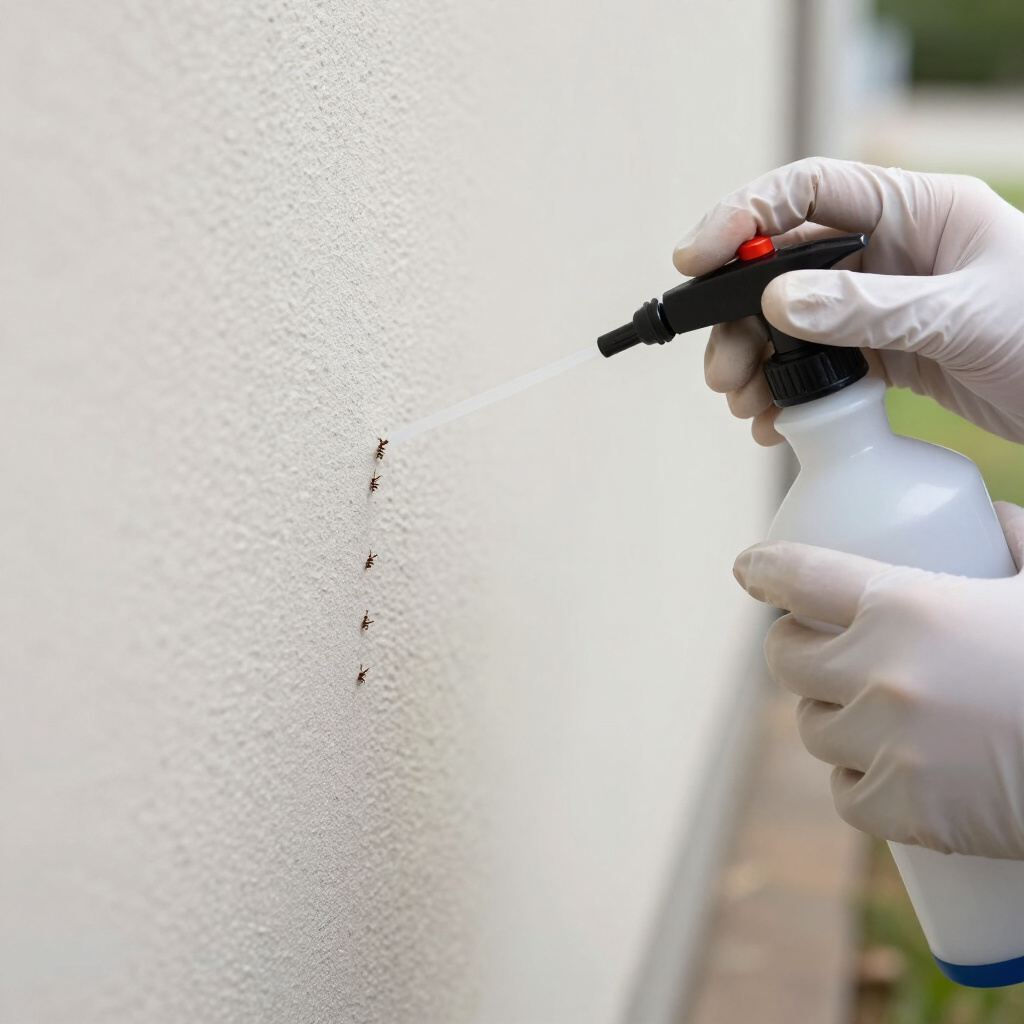


Your home changes with every season, and so do the pests trying to get inside. From ants marching through your kitchen in spring to mice seeking warmth in your walls come winter, each month brings its own unwelcome visitors. The good news? A proactive, season-by-season approach to pest control can save you stress, money, and the headache of a full-blown infestation. Here's your year-round roadmap to keeping your home protected.
Your Seasonal Pest Control Checklist for Homeowners
The most effective pest management isn't reactive—it's preventive. By anticipating what pests are active during each season and taking targeted steps, you create multiple layers of defense around your property. This seasonal pest control checklist for homeowners breaks down exactly what to do and when, so you stay one step ahead of nature's most persistent intruders.
Spring: As temperatures rise, dormant pests wake up and start reproducing. This is when ants, termites, and wasps become most active. Inspect your foundation for mud tubes that signal termite activity. Seal cracks around windows, doors, and utility penetrations with quality caulk. Clean your gutters—clogged drainage attracts moisture-loving pests and provides nesting material. Trim shrubs and tree branches back at least 12 inches from your home's exterior to eliminate bridges for crawling insects.
Spring is also prime time for mosquito prevention. Remove standing water from flower pot saucers, birdbaths, and anywhere else it collects. Even a bottle cap's worth of water can breed hundreds of mosquitoes. Consider professional perimeter treatments if you live near wooded areas or water sources.
Summer: Heat drives pests indoors seeking cooler temperatures and reliable food sources. Flies, cockroaches, and spiders peak during these months. Maintain tight-fitting screens on all windows and doors—repair any tears promptly. Store pantry items in airtight containers and clean kitchen surfaces daily to eliminate food trails. Keep garbage in sealed bins and take it out regularly.
Outdoor maintenance matters too. Keep your lawn mowed and eliminate yard debris where fleas and ticks thrive. If you have pets, stay current on their preventive treatments. Check yourself and family members after time spent in tall grass or wooded areas.
Fall: Cooling temperatures trigger pests to seek winter shelter. Rodents, stink bugs, boxelder bugs, and cluster flies begin their push indoors. This is your most critical season for exclusion work. Install door sweeps on exterior doors and repair damaged weatherstripping. Screen or seal attic vents, chimney openings, and crawl space entries. Inspect your roofline for gaps where squirrels and raccoons might enter—remember, mice can squeeze through holes as small as a dime.
Move firewood at least 20 feet from your home and elevate it off the ground. Firewood piles are rodent magnets and provide easy highway access to your house. Clean and inspect your garage, where many pests gain initial entry before moving deeper into your home.
Winter: While outdoor pest activity slows, indoor infestations can flourish unnoticed. Mice, rats, silverfish, and cockroaches remain active in heated spaces. Continue monitoring for signs: droppings, gnaw marks, scratching sounds, and unusual pet behavior. Check basements, attics, and crawl spaces regularly—these quiet, undisturbed areas are ideal harborage.
Use this slower season to plan ahead. Schedule a professional inspection to identify vulnerabilities you might have missed. Review your year and note which pest issues recurred—that pattern reveals where your defenses need strengthening.
Year-Round Habits That Strengthen Your Defense
Consistent habits bridge the gaps between seasonal tasks. First, control moisture throughout your home. Fix leaky pipes promptly, use dehumidifiers in damp basements, and ensure proper ventilation in bathrooms and kitchens. Most pests need water to survive, and eliminating sources makes your home far less hospitable.
Second, practice mindful landscaping. Mulch should remain 6 inches from your foundation—direct contact creates ideal harborage for termites and ants. Choose plants wisely; some attract aphids and other insects that then draw predatory pests closer to your structure.
Third, know when to call professionals. DIY measures handle many situations, but certain scenarios demand expert intervention: recurring infestations despite your efforts, signs of wood-destroying insects, rodent activity in multiple areas, or any pest that threatens health (stinging insects in walls, cockroach allergies, disease-carrying wildlife). Professional pest control technicians bring specialized tools, targeted treatments, and trained eyes for hidden problems.
Key Tips for Maximum Protection
Timing amplifies effectiveness. Apply preventive exterior treatments in early spring before pest pressures peak. Schedule your most thorough inspection in late summer or early fall, when exclusion work prevents winter invaders rather than reacting after they've settled in.
Documentation helps too. Keep a simple log of what you observe, when, and where. Patterns emerge over time—ants always near the dishwasher in June, mice in the garage each November—that guide smarter prevention. Photograph suspicious damage or pest evidence for accurate identification.
Don't neglect less obvious entry points. Dryer vents, utility lines, cable entrances, and gaps under siding all provide access. A thorough walk-around your home's perimeter with critical eyes catches vulnerabilities routine glances miss.
Finally, coordinate with neighbors when possible. Pests don't respect property lines. Community-wide efforts on mosquito breeding sites, rodent attractants, and shared green spaces multiply everyone's protection.
Final Thoughts
Protecting your home from pests isn't about perfection—it's about persistence. The homeowners who enjoy the fewest pest problems aren't necessarily those with the newest houses or the most expensive treatments. They're the ones who treat pest control as ongoing home maintenance, not an emergency response.
Work through this seasonal pest control checklist for homeowners consistently, adapt it to your specific property and regional pest pressures, and don't hesitate to partner with professionals when situations exceed comfortable DIY boundaries. Your home deserves year-round vigilance, and the peace of mind that comes from staying ahead of pests is well worth the effort.