
Termites are one of the most destructive pests a homeowner can face, quietly causing billions of dollars in property damage each year across the United States. What makes these insects especially dangerous is their ability to remain hidden for months or even years while they chew through wooden structures from the inside out. By the time you notice obvious signs of termites, extensive damage may already be done. Knowing what to look for can help you catch an infestation early and protect your biggest investment.
Common Signs You May Have Termites
Recognizing the early warning signs of termites can save you thousands in repair costs. Here are the most reliable indicators that these destructive pests may have moved into your home.
Mud tubes on exterior walls are one of the most definitive signs of subterranean termites. These pencil-width tunnels made of soil, wood particles, and saliva allow termites to travel between their underground colony and food sources while maintaining the moisture they need to survive. Check along your foundation, crawl spaces, and basement walls, especially where the structure meets the soil.
Discarded wings near windowsills and doors signal a termite swarm has occurred. Reproductive termites, called swarmers, emerge in spring to mate and establish new colonies. After flying a short distance, they shed their wings. Finding piles of these fragile, equal-sized wings—often mistaken for ant wings—is a strong indicator that a mature colony is nearby, either in or around your home.
Hollow-sounding wood when tapped is a telltale sign of advanced termite damage. Termites consume wood from the inside out, leaving a thin veneer of paint or wood intact. If your floors feel springy, your doorframes sound papery when knocked, or your walls produce a hollow echo, termites may have been dining on the structural timber within.
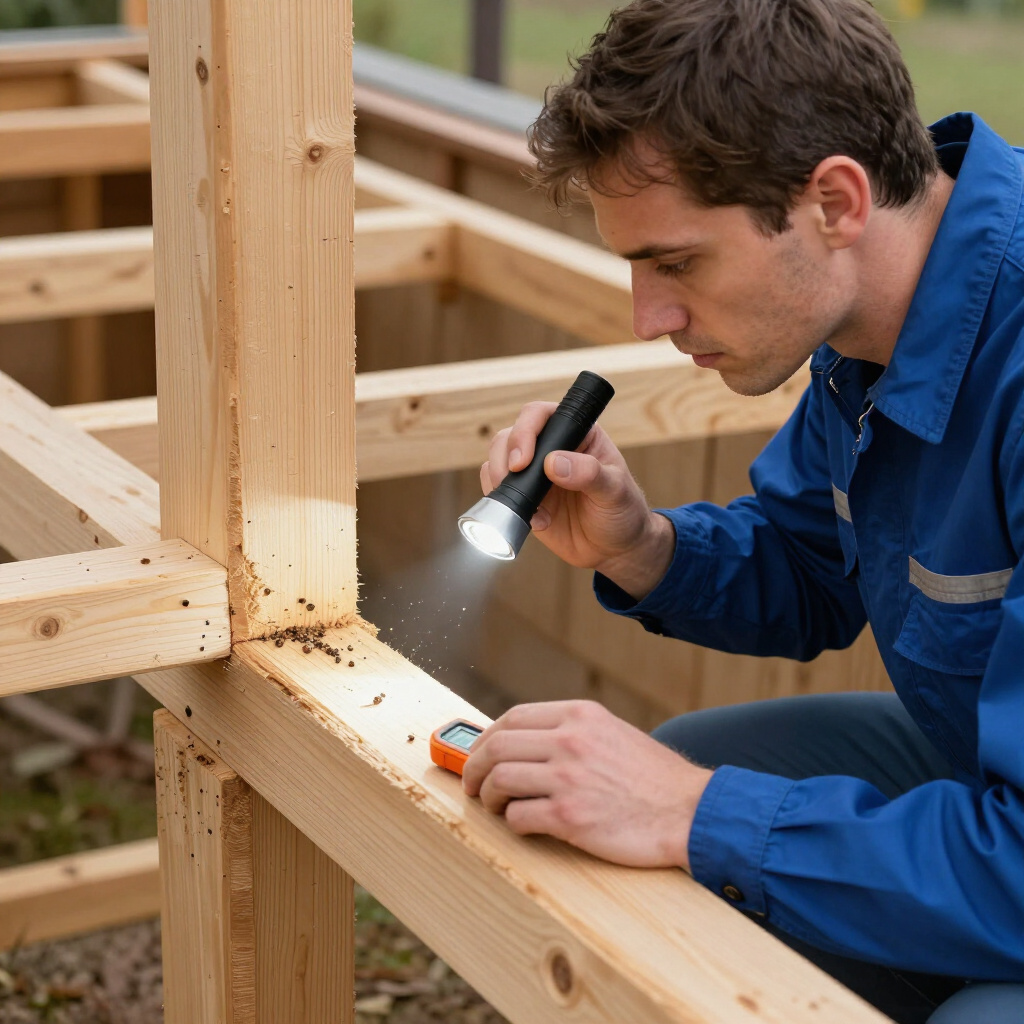
Frass, or termite droppings, appears as small piles of wood-colored pellets. Unlike subterranean termites, drywood termites push their fecal matter out of tiny kick holes in the wood they're infesting. You might find these pellet mounds on windowsills, beneath wooden furniture, or at the base of walls.
Bubbling or peeling paint that resembles water damage can indicate termite activity beneath the surface. As termites introduce moisture into walls while tunneling, the paint may warp, blister, or discolor. Many homeowners mistake this for a leak, delaying proper treatment.
Tight-fitting doors and windows that suddenly become difficult to open could signal termite damage. As termites consume wood and create moisture within door and window frames, the wood warps, causing these structural elements to fit improperly in their openings.
Where to Look for Termite Activity
Knowing where termites prefer to work helps you inspect your home more effectively. Subterranean termites need soil contact and moisture, making your foundation, crawl space, basement, and any wood-to-ground contact points prime targets. Check wooden deck posts, fence posts, firewood stacks stored against the house, and tree stumps near your foundation.
Drywood termites, common in warmer coastal regions, infest dry wood directly and don't require soil contact. Inspect attic framing, exposed wooden beams, hardwood floors, antique furniture, and wooden siding for signs of damage.
Don't forget to examine less obvious areas. Termites frequently enter through cracks in concrete slabs, expansion joints, and utility penetrations. Cardboard boxes in storage areas, paper-backed drywall, and even certain types of insulation can attract and harbor these pests.
Signs You May Have Termites Versus Other Pests
Homeowners often confuse termite evidence with carpenter ant damage or simple wood rot. Understanding the differences helps you respond appropriately.
Carpenter ants excavate wood to create nesting galleries but do not eat it. Their frass consists of wood shavings and insect parts, not uniform pellets. Carpenter ant galleries also appear smooth and polished, while termite galleries contain mud and soil particles.
Wood decay fungi cause crumbly, discolored wood with a musty odor but won't produce mud tubes, frass, or discarded wings. If you spot fungal growth, you still have a moisture problem worth addressing, but the treatment approach differs significantly.
When in doubt, professional identification is crucial. Pest control experts can distinguish between termite species, determine the extent of infestation, and recommend targeted treatment strategies.
What to Do If You Suspect Termites
If you've noticed any signs you may have termites, prompt action is essential. Schedule a professional inspection rather than attempting DIY identification or treatment. Termite control requires specialized knowledge, equipment, and products that aren't available to consumers.
A qualified pest management professional will conduct a thorough examination of your property, identify the termite species present, assess the extent of damage, and develop a customized treatment plan. Modern termite control options include liquid soil treatments, baiting systems, and wood treatments, often with transferable warranties that protect your investment long-term.
While waiting for professional evaluation, avoid disturbing any mud tubes or damaged wood you discover. Disturbing active termite pathways can cause them to retreat temporarily, making detection and treatment more challenging.
Final Thoughts
Termites operate silently and efficiently, which makes vigilance your greatest defense. Regular inspections—both your own seasonal checks and annual professional examinations—form the cornerstone of effective termite prevention. Keep woodpiles away from your foundation, maintain proper drainage around your home, address moisture issues promptly, and ensure adequate ventilation in crawl spaces.
Remember that discovering signs you may have termites isn't cause for panic, but it does demand swift, informed action. With early detection and professional intervention, even established infestations can be eliminated, and future damage prevented. Your home deserves protection from these hidden destroyers, and knowing what to watch for puts that protection firmly within your grasp.