
There's a certain pride that comes with handling household problems on your own. A leaky faucet, a squeaky door, a patch of weeds in the garden—many of us tackle these with confidence. But when it comes to pests, the line between a manageable situation and one that requires professional intervention can blur quickly. Knowing when to call a pest control professional isn't about admitting defeat; it's about protecting your home, your health, and your peace of mind with the right expertise at the right time.
When to Call a Pest Control Professional for Persistent Infestations
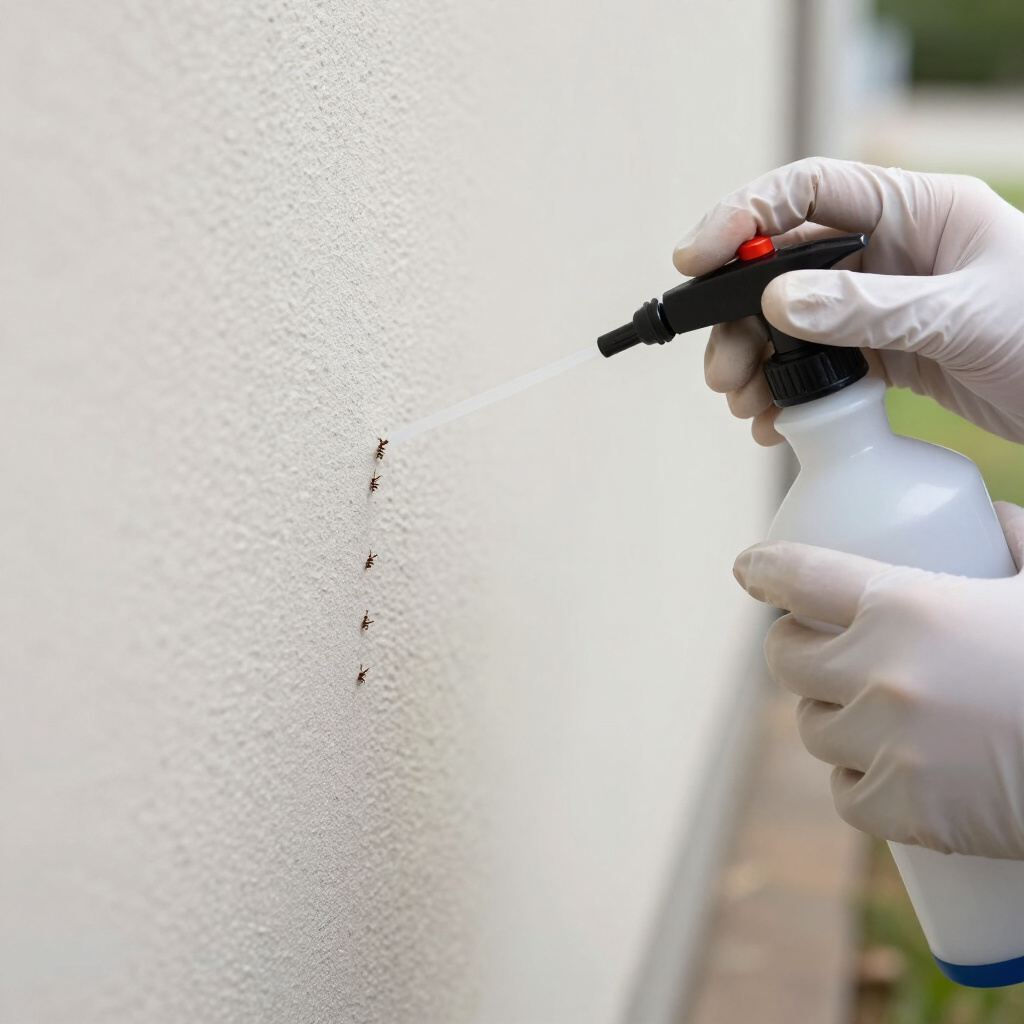
The most obvious signal that DIY methods have reached their limit is simple persistence. You've laid the traps, sprayed the perimeter, sealed the cracks, and yet there they are—ants marching across your countertop, mice scratching behind the walls, or cockroaches scattering when you flip on the kitchen light at midnight.
Persistence indicates a deeper problem than surface-level activity suggests. Pests often establish nests or colonies in areas you cannot easily access: within wall voids, beneath floorboards, inside crawl spaces, or deep within structural elements. Over-the-counter products typically address visible pests without reaching the source. A pest control professional brings specialized equipment, targeted treatments, and the training to identify where colonies breed and how they travel. When your efforts produce only temporary relief before activity resumes, professional intervention becomes the most cost-effective path forward.
Consider also the seasonal patterns. Seeing the occasional spider or fly during summer months rarely warrants concern. But when you observe consistent pest activity across seasons, or when populations surge dramatically during what should be dormant periods, this suggests an established indoor population that has made your home its permanent residence.
Signs of Serious Pest Problems That Demand Expert Help
Certain warning signs transcend the debate between DIY and professional approaches entirely. These indicators suggest structural damage, health risks, or infestations that have advanced beyond amateur management capacity.
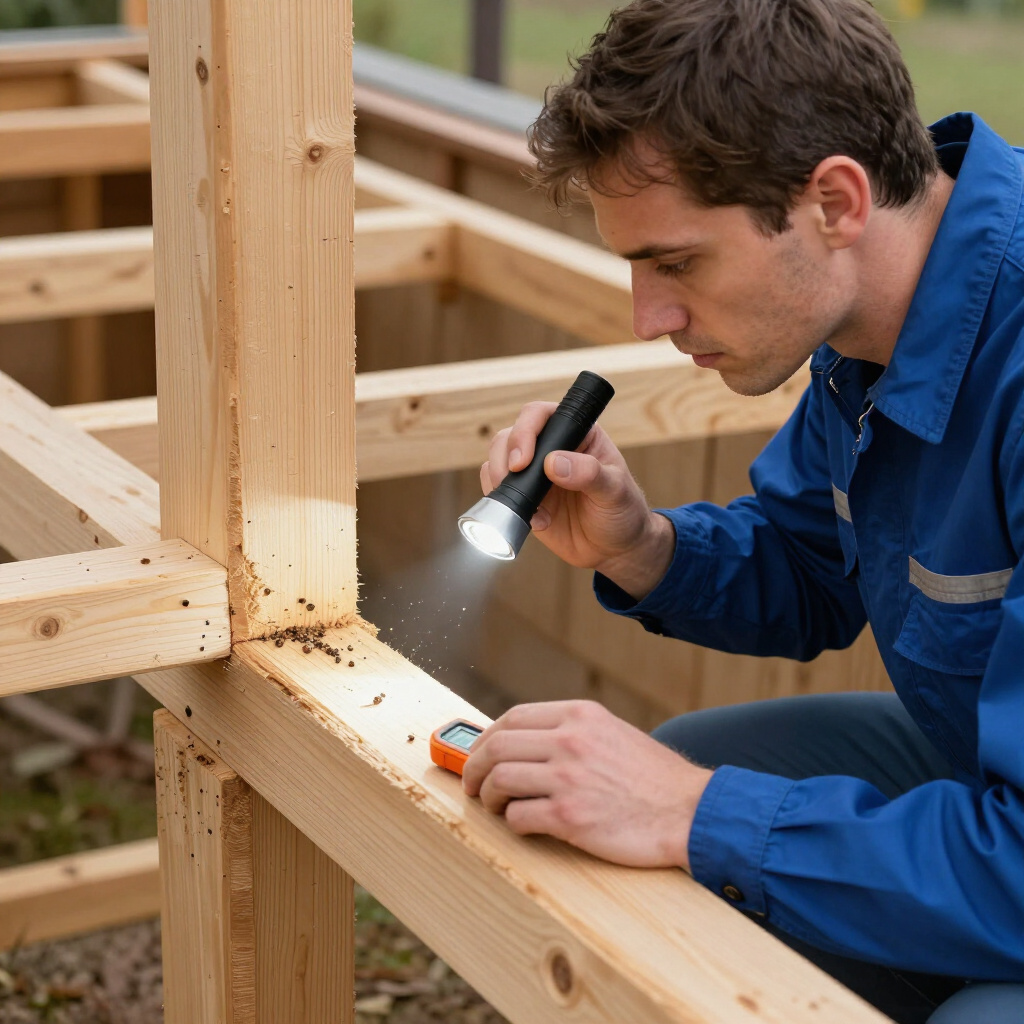
Structural indicators include unexplained wood damage resembling tiny tunnels or galleries, sagging floors, hollow-sounding timber, or mud tubes climbing foundation walls—often evidence of termites or carpenter ants silently compromising your home's integrity. By the time visible damage appears, colonies may have worked undetected for months or years. Waiting to address such damage only escalates repair costs exponentially.
Health-related warning signs demand equally urgent attention. Rodent droppings in pantries, cabinets, or along baseboards introduce contamination risks including salmonella and hantavirus. Cockroach presence correlates with allergen accumulation and asthma triggers, particularly dangerous for children and sensitive individuals. Bed bug bites appearing in linear patterns on exposed skin during sleep indicate an established infestation that spreads rapidly through homes and travels easily on belongings. Wildlife intrusions—bats in attics, raccoons in chimneys—bring rabies concerns and parasite introduction.
Unusual odors also warrant professional assessment. Musty, ammonia-like smells may indicate rodent urine concentrations. Sweet, oily odors suggest cockroach infestation density. These sensory clues often accompany hidden problems that have developed substantially before becoming detectable.
Effective Pest Prevention Strategies and When They Fall Short
Prevention remains your strongest initial defense, and diligent homeowners should absolutely implement foundational practices. Store food in sealed containers, eliminate standing water, maintain landscaping clearance from foundations, seal exterior gaps and cracks, manage garbage properly, and reduce clutter that provides harborage.
Yet even exemplary prevention has boundaries. Neighboring properties with poor pest management can seed infestations despite your efforts. Multi-unit buildings share pest pathways through wall voids and utility chases that individual prevention cannot control. Climate events—excessive rainfall, drought, temperature extremes—can drive pest populations indoors in ways no amount of caulking prevents.
Prevention also fails when misapplied. Homeowners sometimes seal entry points without addressing interior populations, trapping pests inside to establish more concentrated infestations. Incorrect product selection or application can repel pests deeper into structures rather than eliminating them, or create resistance that complicates future treatment. When prevention measures seem faithfully executed yet problems continue or worsen, this paradox itself signals need for professional diagnostic assessment.
Another consideration involves your own capacity constraints. Proper integrated pest management requires time, knowledge, physical access, and sometimes tools that exceed what's practical for busy households. Evaluating whether your available resources match the problem's demands is a legitimate part of the decision process.
Key Tips
Before contacting a professional, document what you observe: pest types, locations, times of activity, and any measures already attempted. This information accelerates accurate diagnosis and appropriate treatment planning.
Research providers thoroughly. Seek licensed, insured professionals with strong local reputations and willingness to explain their approach. Quality pest control emphasizes inspection, identification, and targeted treatment rather than indiscriminate chemical application. Ask about guarantees, follow-up protocols, and whether they address underlying conditions attracting pests.
Understand that professional pest control represents an investment in property protection and health preservation. Compare service costs against potential damage repair expenses, medical costs from pest-related illness, or the cumulative expense of repeatedly purchasing ineffective retail products.
Finally, act decisively when warning signs appear. Delay typically allows infestations to expand, making eventual treatment more extensive and expensive. Early professional intervention often resolves problems more efficiently and with less disruption than delayed response to advanced situations.
Final Thoughts
Discerning when to handle pest concerns independently and when to call a pest control professional ultimately protects what matters most. Small, isolated incidents often respond well to attentive homeowner action. But persistent activity, structural damage indicators, health risks, or situations where prevention consistently fails all point toward benefiting from specialized expertise. The goal isn't eliminating all DIY effort—it's recognizing the threshold where professional partnership serves your interests better than continued solitary struggle. Trust your observations, respect your limits, and remember that seeking expert help at the appropriate moment represents sound home stewardship rather than any shortcoming.