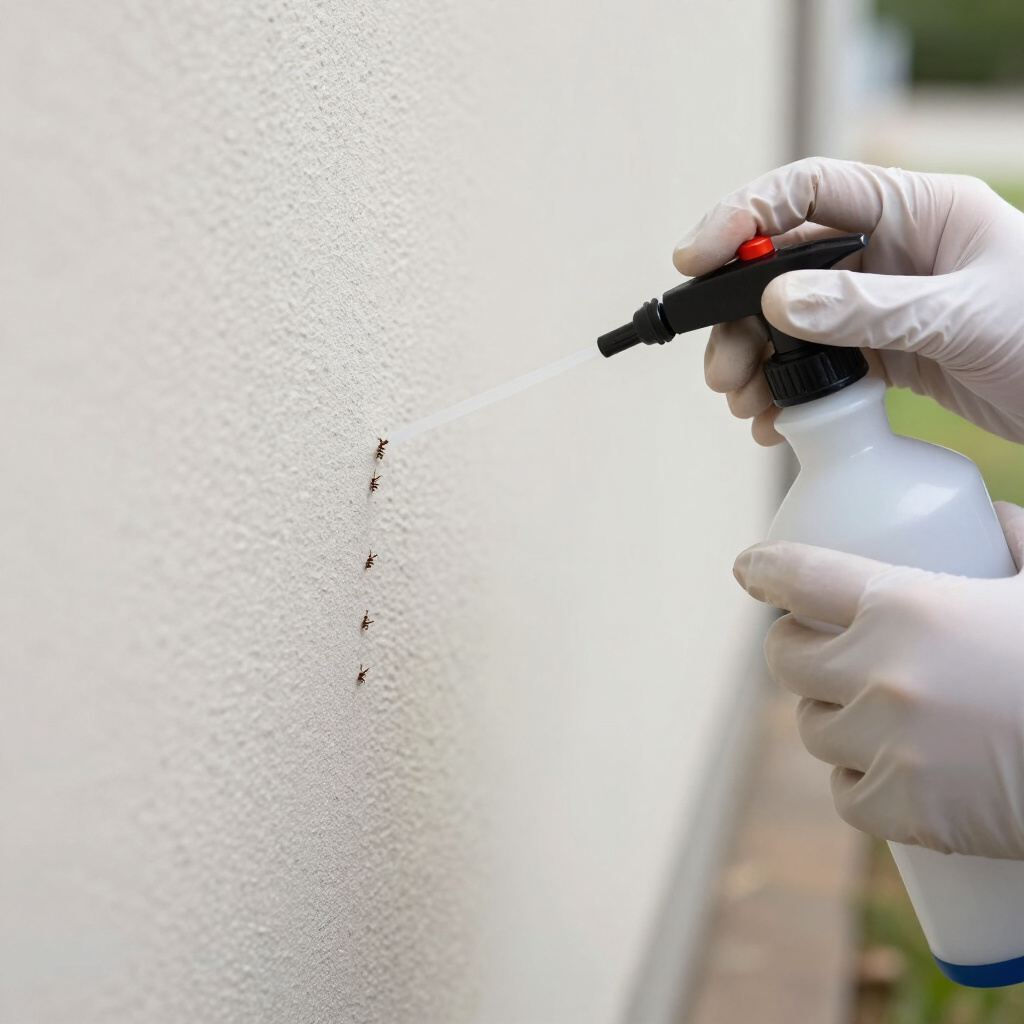


Pest Control Services in Dublin, OH
Dublin, Ohio sits at the crossroads of rapid suburban growth and preserved natural corridors along the Scioto River. This unique blend creates persistent pest pressure throughout Franklin County neighborhoods, from the established homes near Historic Dublin to newer developments around Bridge Street District and the Mall at Tuttle Crossing. Our technicians understand how Dublin's limestone-rich soil, mature tree canopy, and proximity to multiple waterways influence local pest behavior year-round.
Residential properties in Dublin face distinct seasonal challenges. Spring thaw drives subterranean termites and ants into active foraging, while summer humidity breeds mosquito populations along riparian areas and spider activity in landscaped beds. Fall cooling triggers rodent migration into crawl spaces and attics as stink bugs and boxelder bugs seek overwintering harborage. Winter months demand vigilance against ongoing mouse infestations and emerging bed bug introductions from holiday travel.
Commercial pest control in Dublin requires sector-specific knowledge. Restaurants and breweries along Bridge Street, healthcare facilities near OhioHealth Dublin Methodist Hospital, and distribution centers along I-270 each present unique compliance requirements and pest vulnerability points. We implement Integrated Pest Management protocols that align with Franklin County Health Department standards while minimizing operational disruption.
Our service area encompasses all Dublin ZIP codes including 43016 and 43017, with response capabilities extending to golf course communities, equestrian properties, and multi-family housing complexes. Treatments account for local ordinances regarding pollinator protection and watershed-sensitive application methods required near the Scioto River and its tributaries.
Common Questions About Pest Control in Dublin
What pests are most problematic in Dublin's newer developments?
Recently constructed neighborhoods around Jerome Village, Wyandotte Woods, and Rivage experience elevated spider, ant, and centipede activity as disturbed soil and immature landscaping create temporary habitat voids filled by opportunistic species. Sod installation often imports grub populations that attract moles and skunks. New construction gaps in exterior sealing provide entry points for wasps and rodents during the first two to three years. We recommend proactive perimeter programs rather than waiting for visible infestations to establish.
How does proximity to the Scioto River affect pest pressure?
Properties within a half-mile of the Scioto River corridor or connected tributaries like Indian Run and Hayden Run experience amplified mosquito breeding due to standing water in floodplains, plus elevated termite risk from sustained soil moisture. Beaver and muskrat activity can undermine pond banks and drainage systems. Seasonal flooding may displace snakes, rodents, and ground-nesting yellowjackets into adjacent residential areas. Our river-adjacent treatment protocols emphasize moisture management, harborage reduction, and species-appropriate exclusion rather than broad chemical application near sensitive watersheds.
Are there special considerations for Dublin's historic homes?
Structures in Historic Dublin and surrounding 19th-century farmsteads present distinctive pest management challenges. Balloon framing, stone foundations, and minimal vapor barriers facilitate termite and carpenter ant concealed damage. Original plaster and lath construction offers extensive spider and silverfish harborage. Aging sewer connections attract rats. Preservation-minded treatment approaches prioritize targeted baiting, precision dust application, and non-chemical exclusion methods that protect architectural integrity while achieving effective control. We coordinate with Dublin's Historic Preservation Commission when treatments affect designated landmark properties.