

How to Choose a Pest Control Professional in Eaton
Finding the right pest control provider in Eaton means looking beyond flashy advertising to evaluate what actually matters for your Preble County property. Eaton's location along Seven Mile Creek and its blend of historic homes, newer subdivisions, and surrounding farmland creates unique pest pressures that demand local expertise.
Start by verifying Ohio Department of Agriculture licensing. Any technician applying pesticides in Eaton must carry proper commercial applicator credentials. Ask to see this documentation—reputable companies provide it without hesitation.
Experience with Preble County's specific conditions matters enormously. Eaton homeowners deal with everything from subterranean termites in older foundation structures to field mice migrating from adjacent agricultural areas each fall. A provider familiar with local soil composition, seasonal patterns, and common construction types will diagnose problems faster and treat more effectively.
Request a written inspection report before committing to treatment. Quality professionals in Eaton will document active infestations, conducive conditions, and a customized plan—not push one-size-fits-all packages. Check reviews specifically mentioning follow-up service; pest control often requires multiple visits, and ongoing support separates dependable companies from quick-spray operations.
What to Expect from Pest Control Services in Eaton
Understanding the service process helps Eaton residents prepare properly and evaluate results. Most professional engagements follow a structured approach tailored to southwestern Ohio's climate patterns.
Initial Inspection: A thorough technician examines your Eaton property's interior and exterior, identifying pest species, entry points, harborage areas, and moisture issues. This typically takes 45-90 minutes for an average home. Expect questions about when you first noticed activity, prior treatments, and any pets or health sensitivities in the household.
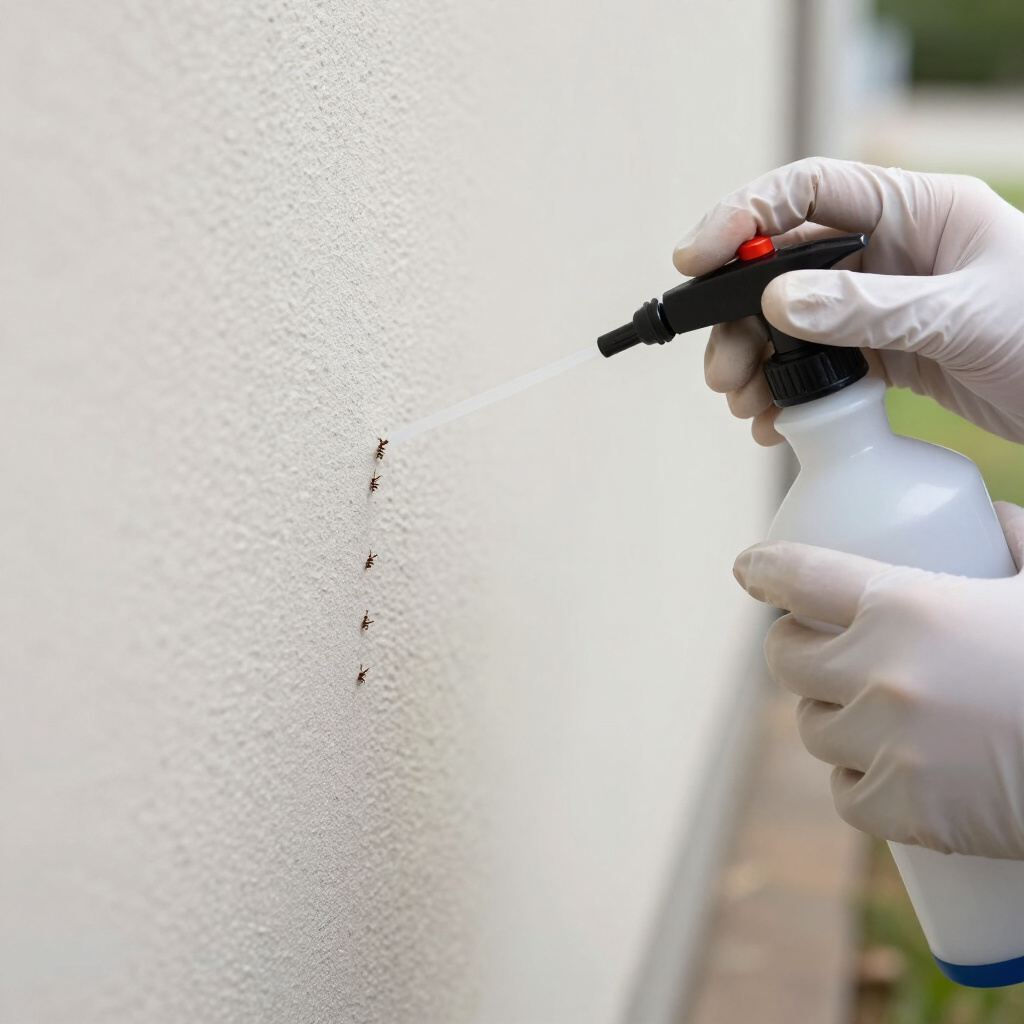
Treatment Implementation: Based on findings, your provider deploys targeted solutions—perhaps perimeter barrier applications, baiting systems for ants or termites, exclusion work to seal entry gaps, or moisture remediation recommendations. Eaton's humid summers make integrated pest management approaches particularly valuable, combining chemical and non-chemical methods for lasting control.
Monitoring and Follow-Up: Effective pest management requires persistence. Scheduled return visits track treatment efficacy, replenish bait stations, and adjust strategies as seasonal pest pressures shift. In Preble County, spring ant swarms and fall rodent invasions often necessitate proactive maintenance visits even after initial problems resolve.
Available Pest Control Services in Eaton
Eaton residents can access comprehensive pest management solutions addressing the full spectrum of local threats. Common service categories include:
- Residential Pest Control: Ongoing protection plans covering ants, spiders, cockroaches, wasps, and occasional invaders. Monthly, bimonthly, or quarterly service intervals available.
- Termite Control: Liquid barrier treatments and baiting systems protecting Eaton's wood-framed and brick-veneer homes from Eastern subterranean termites.
- Rodent Management: Interior trapping, exterior baiting, and structural exclusion sealing mice and rats out before Ohio's cold seasons drive them indoors.
- Mosquito Reduction: Seasonal yard treatments targeting breeding sites and adult resting areas, essential for Eaton properties near standing water or creek corridors.
- Bed Bug Elimination: Heat treatment and targeted insecticide protocols for multi-unit buildings and single-family homes.
- Wildlife Control: Humane removal and exclusion for raccoons, squirrels, skunks, and bats frequenting Preble County's wooded edges.
- Commercial Pest Management: Customized programs for Eaton restaurants, warehouses, healthcare facilities, and retail operations requiring documentation for health inspections.
Frequently Asked Questions
How much does pest control cost in Eaton, Ohio?
Most Eaton homeowners pay between $100-$300 for initial treatments, with ongoing maintenance plans ranging $40-$80 monthly depending on property size and pest complexity. Termite treatments represent larger investments, typically $500-$2,500 based on infestation severity and home footprint. Always request detailed written estimates comparing service scopes, not just bottom-line prices.
Are pest control treatments safe for my family and pets?
Licensed Eaton providers use EPA-registered products applied according to label specifications with safety margins for humans and pets. Reputable companies discuss re-entry intervals, pet restrictions, and alternative options for households with chemical sensitivities, infants, or certain health conditions. Integrated pest management approaches minimize pesticide reliance through prevention and mechanical controls.
When is the best time of year for pest control in Preble County?
Spring and early summer address emerging ant, wasp, and mosquito populations before they establish. Fall treatments focus on excluding rodents seeking winter shelter. However, year-round protection plans prove most effective for Eaton's climate, as different pests peak across seasons and continuous monitoring catches problems early.
How quickly can I expect results after treatment?
Immediate reduction in visible activity often occurs within 24-72 hours for ants, spiders, and cockroaches. Rodent programs may take 1-2 weeks as populations are drawn to bait stations. Termite treatments work more gradually, with colony elimination requiring 3-6 months in some cases. Your provider should set realistic expectations and schedule follow-up assessments to verify progress.
Do I need pest control if I don't currently see bugs or rodents?
Preventive service makes particular sense in Eaton, where termite pressure remains high and seasonal rodent migration is predictable. Many pests operate cryptically—termites damage structures long before visible evidence appears, and mice establish nesting sites in wall voids undetected until populations surge. Regular inspections catch issues at inception, reducing treatment complexity and cost.