

Pest Control Services in Milford, OH
Living in Milford means enjoying the charm of a historic river town with access to the Little Miami River and Miami Township's growing residential areas. But the same waterways, wooded lots, and seasonal humidity that make Milford attractive also create ideal conditions for pests. From the older homes near downtown to newer developments along State Route 28, Milford properties face unique pest pressures that require localized expertise.
Our technicians understand Clermont County's specific pest patterns. The river corridor attracts moisture-seeking insects, while the mix of mature neighborhoods and construction zones drives rodent activity as habitats shift. We tailor treatments to your property's age, surrounding landscape, and the particular pests active during each Ohio season.
Common Pest Issues in Milford
- Termites: Eastern subterranean termites thrive in Milford's older wooden structures and moist soil conditions near the Little Miami
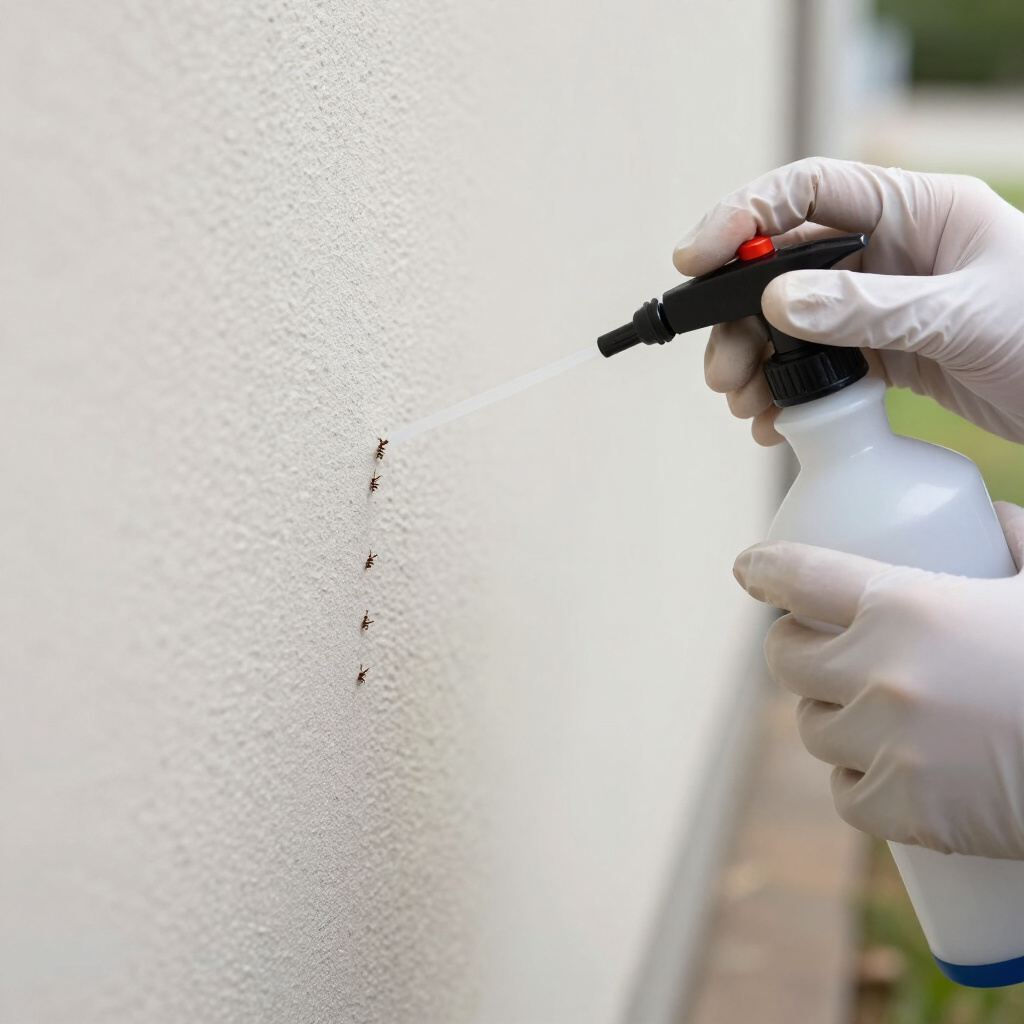
- Ants: Pavement ants, carpenter ants, and odorous house ants invade homes spring through fall, often following tree lines from riverbank areas
- Mosquitoes: Standing water along the river, in retention ponds, and backyard containers breeds intense summer populations
- Spiders: Wolf spiders and house spiders seek shelter as temperatures drop, particularly in basement-level homes common near the river valley
- Rodents: Field mice and rats move from agricultural and construction areas into residential neighborhoods, especially during harvest season and cold months
- Stinging insects: Yellow jackets, hornets, and paper wasps nest in eaves, trees, and ground cavities throughout Miami Township
Seasonal Treatment Approach
Milford's four distinct seasons demand adaptive pest management. Spring brings ant swarms and termite activity as soil temperatures rise. Summer peaks with mosquito pressure and stinging insect nests reaching full size. Fall triggers rodent entry and spider migration indoors. Winter requires monitoring for overwintering pests and active infestations in heated structures. Our year-round programs adjust formulations and inspection focus to match these predictable cycles.
We also address Milford's newer construction challenges. Homes built in expanding developments often encounter pests before landscaping matures, when exposed soil and minimal vegetation create temporary habitat voids that drive insects and rodents toward foundations. Pre-treatment soil barriers and perimeter programs protect these investments from the start.
Frequently Asked Questions About Pest Control in Milford
How does proximity to the Little Miami River affect pest problems in Milford?
Properties near the river corridor experience elevated moisture levels and denser insect populations. Mosquitoes breed in stagnant backwaters and floodplain pools. Termites find favorable conditions in consistently damp soil. Spiders and ground beetles proliferate where the ecosystem supports abundant prey. Homes in these areas typically benefit from more frequent perimeter treatments and enhanced moisture management recommendations alongside standard pest control services.
Are termites a serious concern for Milford's older homes?
Yes. Many of Milford's historic properties downtown and in established neighborhoods were built before modern termite pretreatment standards existed. Eastern subterranean termites are active throughout Clermont County, and older structures with aging foundations, wood-to-soil contact, or previous water damage face elevated risk. We recommend annual termite inspections for any home over 25 years old, with liquid barrier treatments or baiting systems for active protection. Real estate transactions in Milford also commonly require Wood Destroying Insect Reports.
What should new construction homeowners in Miami Township know about pest prevention?
New developments around Milford frequently experience pest pressure during the first two to three years. Disturbed soil exposes existing termite colonies. Sparse turf and minimal foundation plantings eliminate natural predator habitat. Construction debris and compaction create ant harborage. We advise new homeowners to establish perimeter treatments before move-in, maintain proper grading and drainage, and avoid mulch contact with siding. Early investment in preventive pest control prevents the establishment of persistent problems that become harder to eliminate later.