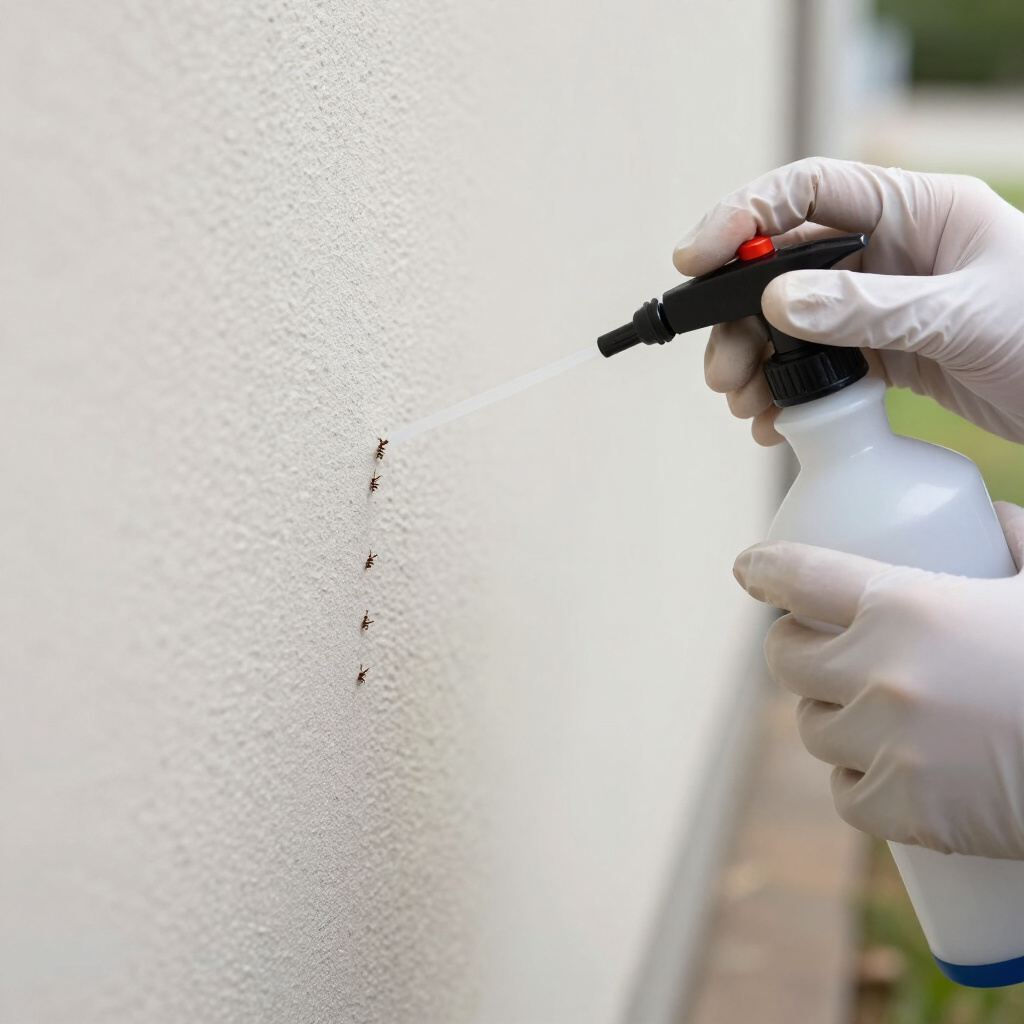


Emergency Pest Control in Newark
When pests invade your Newark home or business, you can't afford to wait. Our 24/7 emergency pest control team serves Licking County with rapid response times, typically arriving within hours of your call. Whether you're facing a wasp nest threatening your family, rodents in your kitchen, or termites compromising your property's structure, we're ready to act.
Newark's location along the Licking River and its mix of historic neighborhoods and newer developments create unique pest pressures. Older homes near the courthouse square often harbor hidden infestations, while properties closer to rural areas deal with field mice, moles, and agricultural pests. Our technicians understand these local patterns and arrive prepared with the right equipment and treatment strategies for your specific situation.
Emergency service doesn't mean rushed work. We perform thorough inspections even under time pressure, identifying entry points and nesting areas that might be missed in haste. After resolving the immediate threat, we provide documentation and recommendations to prevent recurrence.
Common Urgent Pest Control Issues
Not every pest sighting requires emergency response, but certain situations demand immediate professional attention. Know when to call right away:
Stinging Insect Nests
Yellow jackets, hornets, and aggressive wasp nests near entryways, children's play areas, or inside wall voids pose serious stinging risks. Multiple nests or unusually large colonies require specialized equipment and protective gear.
Sewer Rat Infiltrations
Norway rats entering through damaged sewer lines or foundation gaps can contaminate food, damage wiring, and spread disease. Their rapid breeding means a small problem escalates within weeks.
Bed Bug Outbreaks
When bites appear nightly and visual evidence spreads to multiple rooms, professional heat treatment or insecticide application becomes essential. DIY attempts often scatter populations and worsen the problem.
Termite Swarms
Seeing winged termites indoors, especially in spring, indicates an active colony. Every day of delay allows further structural damage to your Newark property.
Carpenter Ant Frass
Piles of sawdust-like material near baseboards or window frames signal active wood destruction. Unlike termites, carpenter ants don't eat wood but excavate galleries, weakening structural elements.
If you're unsure whether your situation qualifies as urgent, call anyway. We provide honest assessments and can often schedule same-day service even for non-emergencies.
Full Pest Control Services
Beyond emergency response, we offer comprehensive pest management tailored to Newark's seasonal patterns and urban-rural interface challenges.
Residential Protection
- Quarterly perimeter treatments
- Interior crack and crevice applications
- Attic and crawl space barriers
- Moisture assessment and mold prevention
- Seasonal preventative programs
Commercial Solutions
- Restaurant and food service compliance
- Healthcare facility protocols
- Retail and office maintenance
- Industrial warehouse programs
- Documentation for health inspections
Specialized Treatments
- Termite baiting and liquid barriers
- Bed bug heat remediation
- Wildlife exclusion and trapping
- Mosquito yard treatments
- Flea and tick yard programs
All treatments prioritize family and pet safety while delivering effective results. We use integrated pest management principles, combining biological knowledge, mechanical controls, and precise application of EPA-registered products.
Serving Newark and Licking County
Our service territory extends throughout Newark's neighborhoods and surrounding Licking County communities. From the historic districts near the Licking County Courthouse to newer subdivisions off Route 16, we maintain detailed familiarity with local construction types and their associated pest vulnerabilities.
We regularly service properties near:
- Denison University area in Granville
- Heath-Newark-Licking County Port Authority industrial zones
- Dawes Arboretum perimeter properties
- Licking River corridor residences
- Route 161 and I-70 corridor commercial developments
Travel time to outlying areas is built into our scheduling system. Whether you're in the village of Johnstown, rural Alexandria, or the Pataskala fringe, expect the same response standards as in-town Newark calls. We maintain stocked vehicles throughout the county to minimize callbacks and delays.
Licking County's agricultural heritage means seasonal pest surges—boxelder bugs in fall, multicolored Asian lady beetles seeking winter shelter, and periodic gypsy moth outbreaks. Our proactive notification system alerts enrolled customers when conditions favor particular pest activity, allowing preventative action before infestations establish.
Frequently Asked Questions
How quickly can you respond to emergency calls in Newark?
For genuine emergencies—aggressive stinging insects, active rodent infestations, or swarming termites—we typically arrive within 2-4 hours. After-hours calls route directly to our on-call technician, not an answering service. For urgent but non-life-threatening situations, same-day service is usually available.
Are your treatments safe for homes with children and pets?
Yes. We select application methods and products based on your household's specific occupants. Many treatments target pest harborage areas inaccessible to children and pets. When interior applications are necessary, we provide clear re-entry timelines and ventilation instructions. We also offer organic and reduced-chemical options for sensitive situations.
What should I do before your technician arrives?
For emergency calls, prioritize safety: keep people and pets away from active nests, don't disturb rodent droppings without protection, and note where you've seen activity. Otherwise, minimal preparation is needed. For scheduled services, we'll provide specific instructions based on your treatment type—usually involving access to baseboards, under-sink areas, and exterior perimeter.
Do you handle wildlife like raccoons or squirrels?
Absolutely. Newark's mature neighborhoods and proximity to wooded areas create frequent wildlife conflicts. We perform humane live trapping, exclusion repairs to prevent re-entry, and attic restoration when contamination has occurred. All wildlife handling complies with Ohio Division of Wildlife regulations, including proper relocation protocols.
How do I know if I have termites or carpenter ants?
Both destroy wood but leave different evidence. Termite workers are pale and rarely seen; look for mud tubes on foundations, discarded wings near windows, or hollow-sounding wood. Carpenter ants are large, dark, and visible—especially at night. They push frass (sawdust with insect parts) from galleries. If uncertain, our free inspection distinguishes between them, as treatment methods differ substantially.