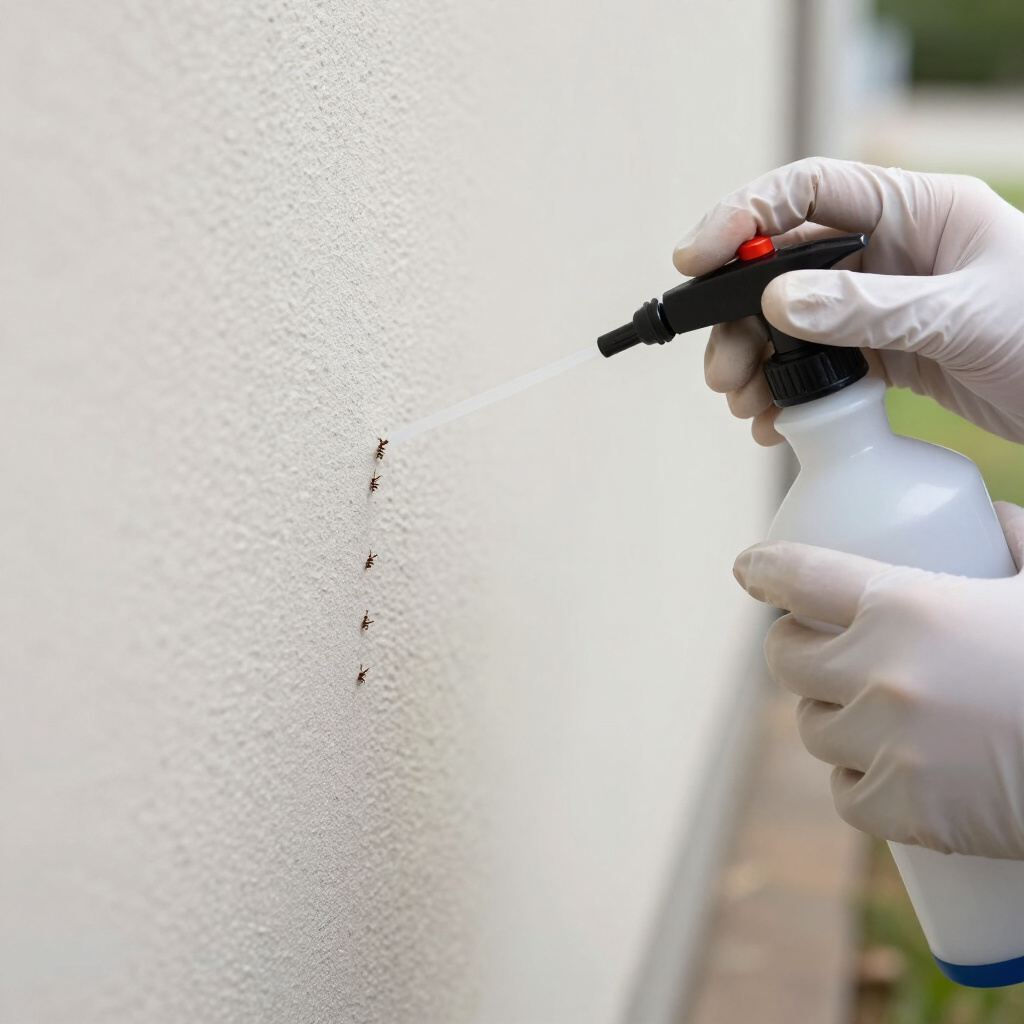


Pest Control Services in Sylvania, OH
Sylvania sits in the northwest corner of Ohio, where the Oak Openings region meets suburban development. The mix of sandy soils, oak savannas, and established neighborhoods creates distinct pest pressures that differ from other Lucas County communities. Whether you're near the historic downtown district, along the bike paths of Olander Park, or in newer subdivisions near the Michigan line, local pest patterns demand targeted approaches.
Homeowners throughout Sylvania deal with seasonal invaders that follow the area's climate patterns. Spring moisture drives termite swarms from colonies in the sandy, well-drained soils. Summer humidity fuels mosquito populations around retention ponds and the Ten Mile Creek watershed. Fall's temperature drops push rodents from field edges into crawl spaces and attics, particularly in homes bordering the Sylvan Prairie Park nature preserve or agricultural areas to the west.
Commercial properties face their own challenges. The retail corridor along Monroe Street, medical offices near Flower Hospital, and restaurants in the downtown core each need pest management that accounts for foot traffic, delivery schedules, and health code requirements. Warehouses and distribution centers along the US-23 corridor require perimeter programs that intercept pests before they reach loading docks.
Effective pest control here starts with understanding Sylvania's specific geography. The Oak Openings sand barrens support unique ecosystems—including ground-nesting bees and specialized ant species—that don't appear in clay-soil communities to the east. Treatments designed for Toledo or Maumee often miss these nuances. Local technicians recognize when a "standard" approach won't address what's actually happening on your property.
Common Pest Questions for Sylvania Homeowners
Why do I see more ants in my Sylvania home than my friends in Toledo?
Sylvania's sandy Oak Openings soils support different ant species than Toledo's clay-based ground. Field ants and pavement ants thrive here, often establishing satellite colonies inside homes while maintaining larger nests in nearby sandy areas. The porous soil also lets colonies expand horizontally, creating multiple entry points. Treatment requires locating and addressing the broader colony network, not just visible indoor trails.
Are termites really a bigger problem in Sylvania compared to other Lucas County areas?
The sandy, well-drained soils that define the Oak Openings region actually favor subterranean termite activity. Moisture moves freely through these soils, allowing termite foraging tubes to extend farther from central colonies. Older homes near the original Sylvania settlement, particularly those with crawl spaces or wood-to-ground contact, face elevated risk. Annual inspections catch activity before structural damage accumulates, which is especially valuable given how quietly termites operate in these soil conditions.
What pests should I watch for near Olander Park or other natural areas?
Properties adjacent to Sylvania's parklands and nature preserves encounter edge-effect pest pressure. Ticks carrying Lyme disease populate the brushy margins where lawns meet wooded areas. Mosquitoes breed in seasonal wetlands and slow-moving creek sections. Groundhogs and rabbits damage gardens and landscaping. Stink bugs and boxelder bugs mass on south-facing walls in fall, seeking overwintering shelter. A perimeter-focused program with seasonal adjustments works better here than reactive, interior-only treatments.
How quickly should I respond to a suspected rodent issue in Sylvania?
Fast. Sylvania's position at the rural-suburban interface means field mice and Norway rats transition indoors rapidly once temperatures drop. A single opening the diameter of a pencil lets mice establish nesting sites in wall voids or insulation. Within weeks, one pair becomes a significant population. More critically, rodents in Sylvania homes often travel from agricultural or natural areas, increasing exposure to hantavirus and other pathogens. Same-week inspection and exclusion sealing prevents the compounding damage and contamination that delays create.
Seasonal Pest Patterns in Sylvania
Understanding when specific pests become active helps Sylvania residents schedule preventive service rather than emergency response.
Spring (March–May)
Thawing soils trigger termite swarming, typically peaking in late April when soil temperatures reach 70°F consistently. Carpenter ants become active in water-damaged wood from winter ice dam issues. Boxelder bugs and Asian lady beetles that overwintered in wall voids emerge on warm days, often clustering at windows.
Summer (June–August)
Mosquito pressure peaks following June rainfall, with breeding concentrated in poorly drained areas and unmaintained backyard sources. Yellowjacket and hornet colonies reach maximum size. Spiders become more visible as they follow flying insect prey. Bed bug calls increase with summer travel.
Fall (September–November)
The most critical transition period. Rodent entry accelerates as fields are harvested and temperatures drop. Stink bugs and cluster flies seek overwintering harborage. Spiders move indoors following insect prey. Preventive exclusion and perimeter treatment during September and October yields the strongest winter results.
Winter (December–February)
Indoor pest activity concentrates. Mice and rats already inside become more noticeable. Overwintering insects like boxelder bugs remain dormant but may emerge during warm spells. Termite activity slows but doesn't stop entirely in heated structures.