

Pest Control Services in Wapakoneta, OH
Wapakoneta sits at the crossroads of Interstate 75 and U.S. Route 33 in Auglaize County, where the flat agricultural terrain and seasonal humidity create conditions that attract a wide range of pests throughout the year. From the historic neighborhoods near the Armstrong Air & Space Museum to newer developments along Bellefontaine Street, local properties face unique pest pressures that demand specialized attention.
The city's location within the Great Black Swamp drainage basin means higher soil moisture and standing water issues during spring and fall. These conditions fuel mosquito populations and drive subterranean termites closer to wooden structures. Homes built before the 1970s, common in the downtown area, often have crawl spaces and aging foundations that provide easy entry points for rodents, spiders, and occasional invaders like boxelder bugs and Asian lady beetles.
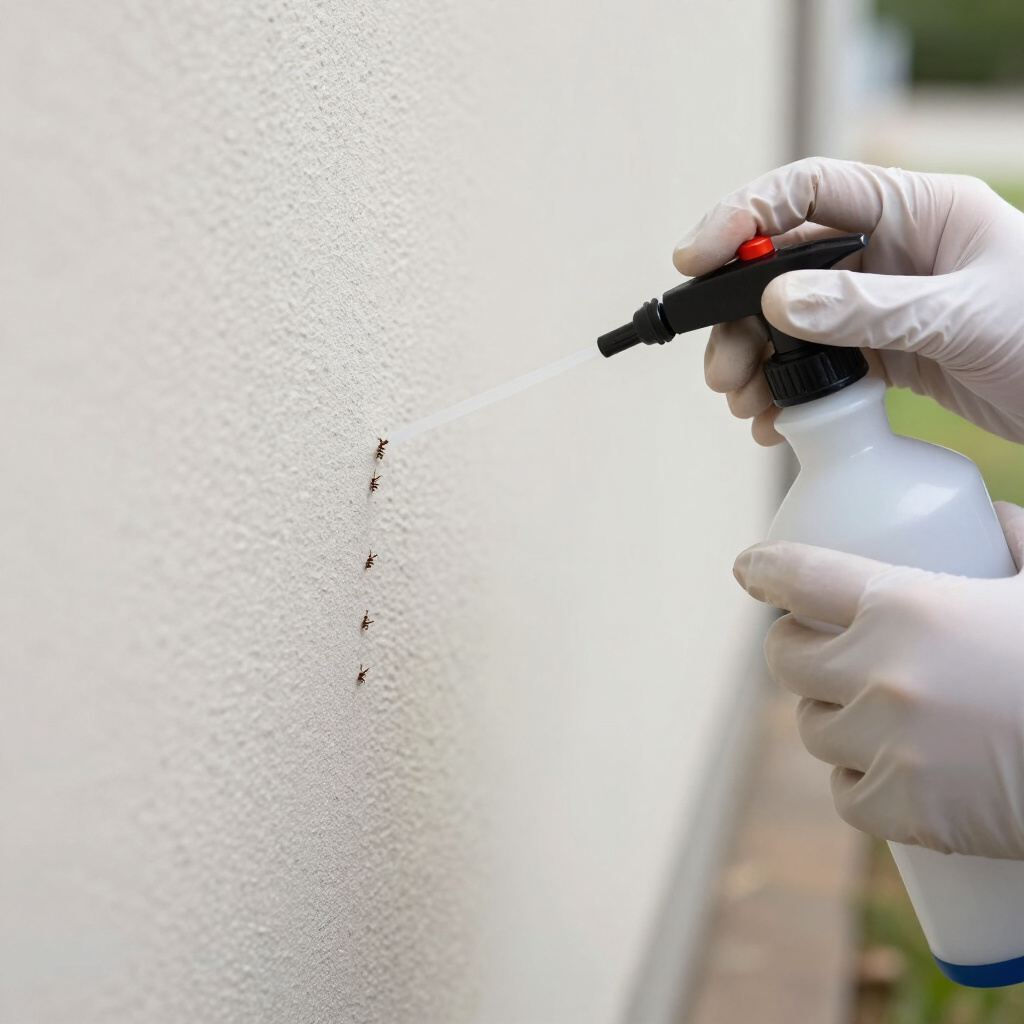
Local pest management for Wapakoneta residents typically encompasses several core service areas. Residential pest control programs address the most common invaders: ants, particularly odorous house ants and pavement ants that trail through kitchen and bathroom areas; spiders including wolf spiders and orb-weavers that become noticeable in basements and garages; and cockroaches that thrive in humid environments. Termite protection is critical given the area's Formosan and Eastern subterranean termite activity, with liquid barrier treatments and baiting systems offering long-term structural defense.
For properties near the Auglaize River or surrounding farmland, mosquito and tick control treatments reduce breeding sites and adult populations during peak season from May through September. Bed bug elimination services address the resurgence of these hitchhiking pests, particularly in multi-unit housing and properties with frequent traveler turnover. Rodent exclusion work seals entry points while trapping programs remove mice and rats that exploit gaps as small as a quarter-inch.
Commercial pest control serves Wapakoneta's manufacturing facilities, restaurants along the main corridors, healthcare providers, and retail establishments. Each industry carries specific compliance requirements, from food safety audits to healthcare environment standards, necessitating documented integrated pest management protocols.
Seasonal programs align with northwest Ohio's pest calendar: spring emergence for ants and termite swarmers, summer peaks for mosquitoes and stinging insects, fall invasions of overwintering pests, and winter rodent pressure. Many residents choose quarterly maintenance plans that adjust treatment focus based on active pest pressures rather than applying identical treatments year-round.
Frequently Asked Questions About Pest Control in Wapakoneta
What pests are most common in Wapakoneta homes?
Ants, spiders, mice, and occasional invaders like boxelder bugs top the list for Wapakoneta residents. The area's clay-heavy soil and seasonal moisture fluctuations push pests indoors seeking stable conditions. Termites represent a significant structural threat given Auglaize County's placement within Ohio's highest termite risk zone. During wet springs, millipedes and earwigs also increase in crawl spaces and basements.
How does Wapakoneta's location affect pest activity?
Proximity to active farmland means higher exposure to agricultural pests like grain insects and field rodents seeking shelter. The Interstate 75 corridor facilitates rapid spread of hitchhiking pests including bed bugs. The relatively flat topography with limited natural drainage creates persistent low spots where mosquitoes breed after rainfall. Winter temperature inversions common in this river valley region can also drive rodents to seek warmer structures earlier in the season compared to surrounding higher elevations.
When should Wapakoneta homeowners schedule termite inspections?
Annual inspections are recommended, ideally between March and May when subterranean termite swarmers emerge. Homes with previous termite history, wood-to-ground contact, or aging foundations should consider twice-yearly monitoring. Newer constructions aren't immune—termites have been documented in structures less than two years old when soil conditions and moisture converge favorably. Any visible mud tubes on foundation walls, hollow-sounding wood, or discarded wing piles warrant immediate professional evaluation.
Are pest control treatments safe for families with children and pets?
Modern pest management prioritizes targeted applications over broad-spectrum broadcasting. Many treatments use reduced-risk products applied in cracks, crevices, and voids inaccessible to children and pets. Exterior perimeter applications with microencapsulated formulations reduce indoor chemical introduction. Licensed technicians can discuss specific product safety data and re-entry intervals. For households with particular sensitivities, botanical-based and non-chemical options exist for certain pest types, though efficacy timelines may extend.
What should I do between professional pest control visits?
Eliminate moisture sources by repairing leaks and improving crawl space ventilation. Store firewood at least twenty feet from structures and elevate it off bare ground. Seal gaps around utility penetrations, door thresholds, and window frames with appropriate materials—steel wool for rodents, silicone caulk for insects. Maintain landscape buffers with trimmed vegetation and mulch pulled back from foundations. Promptly address spilled food and establish consistent garbage management. These measures extend treatment effectiveness and reduce conditions that attract new pest activity.