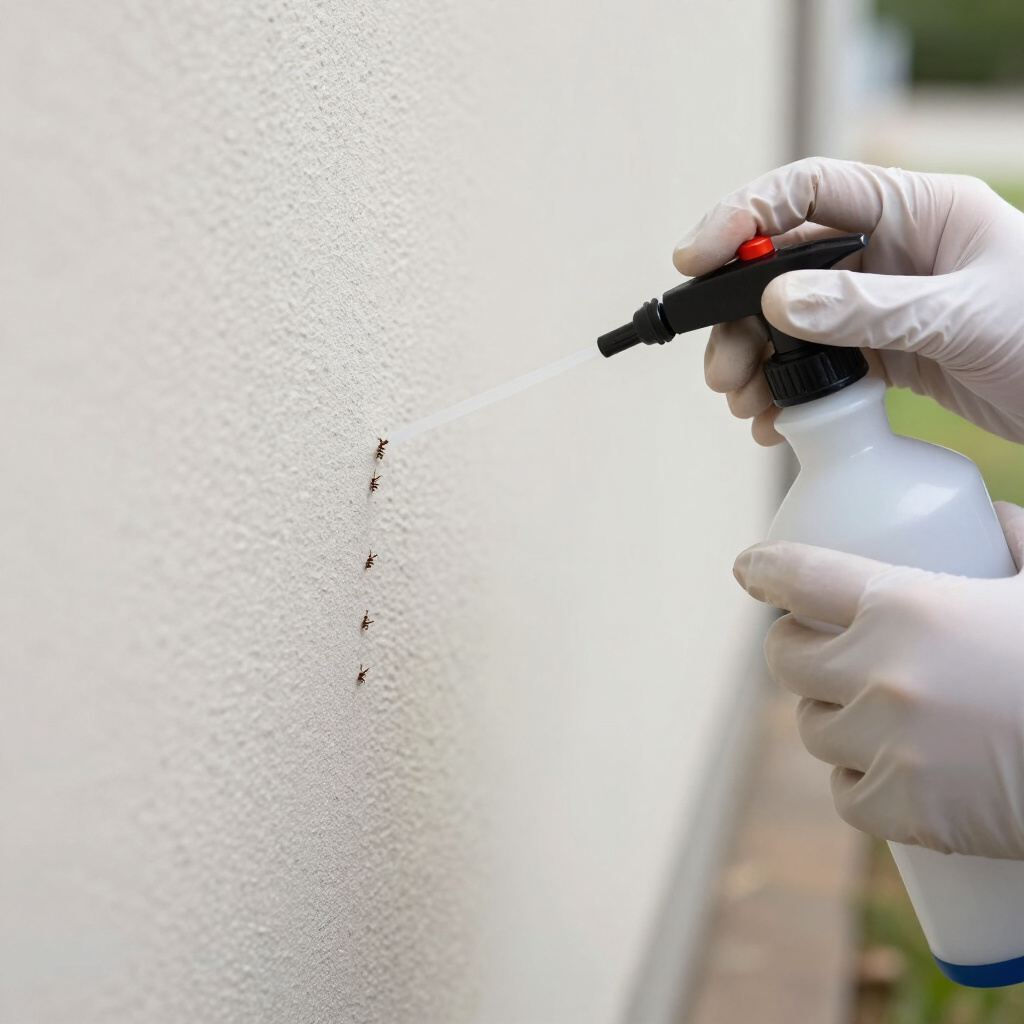


Pest Control Services in Wellston, OH
Wellston sits in the heart of Jackson County, where the rolling hills of southern Ohio meet the winding valleys of Salt Lick Creek. This rural setting creates ideal conditions for pests to thrive—abundant water sources, wooded lots, and seasonal temperature swings that push rodents and insects toward homes and businesses year-round.
Local property owners face distinct challenges based on Wellston's geography. The creek corridors and nearby Wayne National Forest land attract termites, carpenter ants, and moisture-loving pests. Older homes in the historic downtown district and newer construction on the outskirts each present unique entry points and harborage areas. Agricultural activity surrounding the city brings additional pest pressure from field rodents and crop-feeding insects that migrate into residential areas.
Effective pest management here requires understanding these specific environmental factors rather than applying generic treatment protocols.
Common Pest Issues in Wellston
Termites represent the most structurally threatening pest in Jackson County. Eastern subterranean termites are active throughout the region, establishing colonies in soil and tunneling into foundation wood. The clay-heavy soils around Wellston retain moisture well, supporting robust termite populations. Annual inspections and preventative soil treatments protect properties before damage becomes visible.
Rodent problems intensify each fall as temperatures drop. Field mice and Norway rats seek shelter in crawl spaces, attics, and wall voids. Rural properties with outbuildings face compounded risks as rodents establish satellite populations in barns and garages before moving into main structures. Exclusion work—sealing entry points larger than one-quarter inch—proves more effective long-term than trapping alone.
Stinging insects including yellow jackets, paper wasps, and bald-faced hornets nest in eaves, ground cavities, and shrubbery. The warm, humid summers of the Hocking Valley region extend their active season. Nests near doorways, play areas, or high-traffic paths require professional removal for safety.
Ant infestations range from nuisance pavement ants to destructive carpenter ants. The latter excavate damp, decaying wood but do not consume cellulose like termites. Satellite colonies often establish inside wall voids, making over-the-counter sprays insufficient for elimination.
Occasional invaders such as millipedes, centipedes, earwigs, and silverfish become problematic in basements and crawl spaces with excessive moisture. These pests indicate underlying humidity issues that need addressing alongside targeted treatments.
Seasonal Pest Patterns in Jackson County
Spring brings termite swarms, ant budding, and increased tick activity in wooded properties. Summer peaks for mosquitoes, stinging insects, and spider populations. Fall triggers rodent migration indoors and stink bug congregation on sun-facing walls. Winter may seem quiet, but bed bug issues persist year-round, and overwintering pests like cluster flies and lady beetles emerge during warm spells.
Integrated Pest Management for Wellston Properties
The most effective approach combines inspection, identification, targeted treatment, and ongoing monitoring. For residential customers, this means addressing conducive conditions—improving drainage, trimming vegetation from structures, and storing firewood away from foundations. Commercial properties, particularly restaurants and food service operations in the downtown area, require documentation and protocols meeting Ohio Department of Agriculture standards.
Frequently Asked Questions About Pest Control in Wellston
How often should Wellston homes receive professional pest control?
Quarterly service provides consistent protection for most properties in Jackson County. Homes with history of termite activity, ongoing moisture issues, or adjacent to fields and wooded areas may benefit from bi-monthly visits during peak seasons. Termite monitoring stations require annual inspection regardless of other services.
Are the treatments safe for pets and children?
Modern pest control products target specific pest biology with minimal mammalian toxicity. Technicians apply treatments according to labeled instructions, placing baits and gels in inaccessible areas when possible. Customers receive specific re-entry timing—typically once treated surfaces dry. Organic and reduced-risk options are available for sensitive situations.
What should I do if I find termite swarmers in my Wellston home?
Swarmers indicate an established colony nearby, though they may originate from exterior sources. Collect samples for identification—winged ants and termite swarmers look similar but require different treatments. Contact a professional promptly for inspection. Do not disturb soil or wood near suspected activity, as this can scatter colonies and complicate treatment.
Why do I see more pests after initial treatment?
Some treatments flush pests from harborage areas as they take effect. This temporary increase, typically lasting 7-14 days, indicates the product is working. Perimeter treatments may also push exterior pests inward briefly before they contact the residual barrier. Follow-up visits address any persistent activity beyond this expected window.