

How to Choose a Pest Control Professional in West Milton
Finding the right pest control provider in West Milton means looking beyond flashy advertising to evaluate what actually matters for your Miami County property. Start with proper licensing through the Ohio Department of Agriculture—any legitimate operator must carry a commercial applicator license, and you should feel comfortable asking to see it.
Local experience counts significantly in this part of southwestern Ohio. West Milton sits where agricultural land meets suburban development, creating unique pest pressures that differ from downtown Dayton or rural farmland. A technician familiar with Stillwater River corridor properties understands how seasonal flooding affects rodent movement, and why the mix of older homes near the village center and newer construction on the outskirts demands different treatment approaches.
Ask prospective companies about their familiarity with Miami County's specific challenges: the Asian lady beetles that cluster on south-facing walls each fall, the field mice seeking winter shelter from surrounding corn and soybean fields, and the termite pressure that remains moderate but persistent throughout the county. Request proof of insurance, inquire about technician training frequency, and verify whether treatments come with any service guarantees.
Finally, check how the company handles callbacks. West Milton's compact size means responsive service should be standard—any provider treating your neighbor should be able to return to your property quickly if initial treatments need reinforcement.
What to Expect from Pest Control Services in West Milton
Your first service begins with a thorough inspection, typically lasting 30-60 minutes depending on property size. The technician examines foundation perimeters, attic spaces, basement conditions, and potential entry points common to West Milton's housing stock—many homes here date to the early-to-mid 20th century with stone foundations that develop gaps over time.
Interior treatment focuses on harborage areas: kitchen voids behind appliances, basement sill plates, utility penetrations, and anywhere moisture accumulates. The technician should explain what they're applying, where, and why—Ohio regulations require notification of pesticide applications in residential settings.
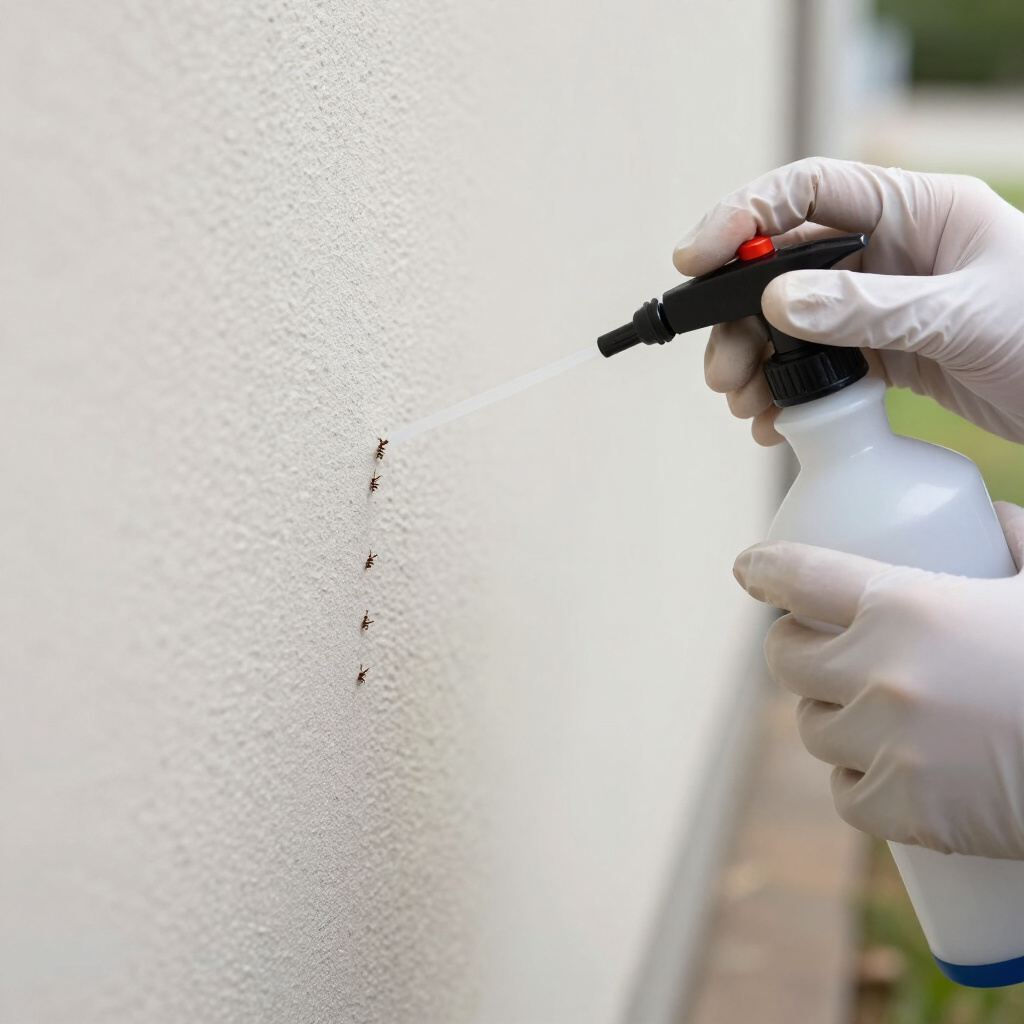
Exterior barrier treatments typically follow, with liquid applications around foundations, granules in landscape beds, and targeted treatments for active nests or trails. In West Milton's variable clay-loam soils, product selection and application timing matter for effectiveness through rainy springs and humid summers.
Most residential programs operate on quarterly maintenance, with additional visits as needed between scheduled services. Your technician should leave documentation of what was treated, what pests were observed, and any homeowner recommendations—sealing gaps, adjusting drainage, or modifying landscaping that contacts the structure.
Available Pest Control Services
West Milton residents can access comprehensive pest management covering the full spectrum of regional pest pressures:
- General Pest Control — Ongoing protection against ants, spiders, crickets, earwigs, and occasional invaders through quarterly perimeter maintenance programs
- Termite Control — Liquid barrier treatments and monitoring systems, with particular attention to subterranean species active throughout Miami County's moderate climate zone
- Rodent Control — Exclusion work, trapping programs, and population reduction for mice and rats, especially critical as temperatures drop and field rodents migrate toward structures
- Bed Bug Treatment — Heat remediation and targeted insecticide applications for infestations in single-family homes, apartments, and multi-unit buildings
- Stinging Insect Removal — Safe nest elimination for yellow jackets, hornets, and wasps, including ground-nesting species common in West Milton's lawn and garden environments
- Mosquito Reduction — Seasonal yard treatments targeting breeding and resting sites, valuable for properties near the Stillwater River or with standing water issues
- Wildlife Management — Humane trapping and exclusion for raccoons, squirrels, skunks, and other nuisance animals, with repair of entry points to prevent recurrence
Emergency and same-day service options are typically available for urgent situations—aggressive yellow jacket nests, sudden rodent infestations, or swarming termites during spring reproductive flights.
Frequently Asked Questions
What pests are most common in West Milton homes?
Ants (particularly odorous house ants and pavement ants), spiders, mice, and Asian lady beetles top the list. Seasonal surges include boxelder bugs in fall and millipedes during wet springs. Termite activity occurs but at lower pressure than southern Ohio counties.
How often should I schedule pest control service?
Quarterly maintenance provides optimal protection for most West Milton properties, with exterior-focused treatments in winter and full perimeter plus interior services during peak activity months. Properties with historical pest issues or adjacent to agricultural fields may benefit from monthly service during summer.
Are pest control treatments safe for my pets and children?
Modern application methods prioritize targeted, low-toxicity products applied in inaccessible areas. Reputable providers use EPA-registered materials and follow label-directed application rates. You'll receive specific re-entry timing—typically once treatments have dried, often 1-2 hours for liquid applications.
Do I need to leave my home during treatment?
Standard exterior and crack-and-crevice interior treatments rarely require evacuation. Whole-home fogging or extensive bed bug heat treatment necessitates temporary departure. Your technician will advise based on the specific treatment plan developed for your situation.
Why do I see more pests after my first treatment?
Initial flush-out is normal and actually indicates treatment effectiveness. Pesticides and disturbed harborage drive hidden pests into open areas where they're visible. This typically resolves within 7-10 days. Persistent activity beyond two weeks warrants a callback visit at no additional charge with most service agreements.