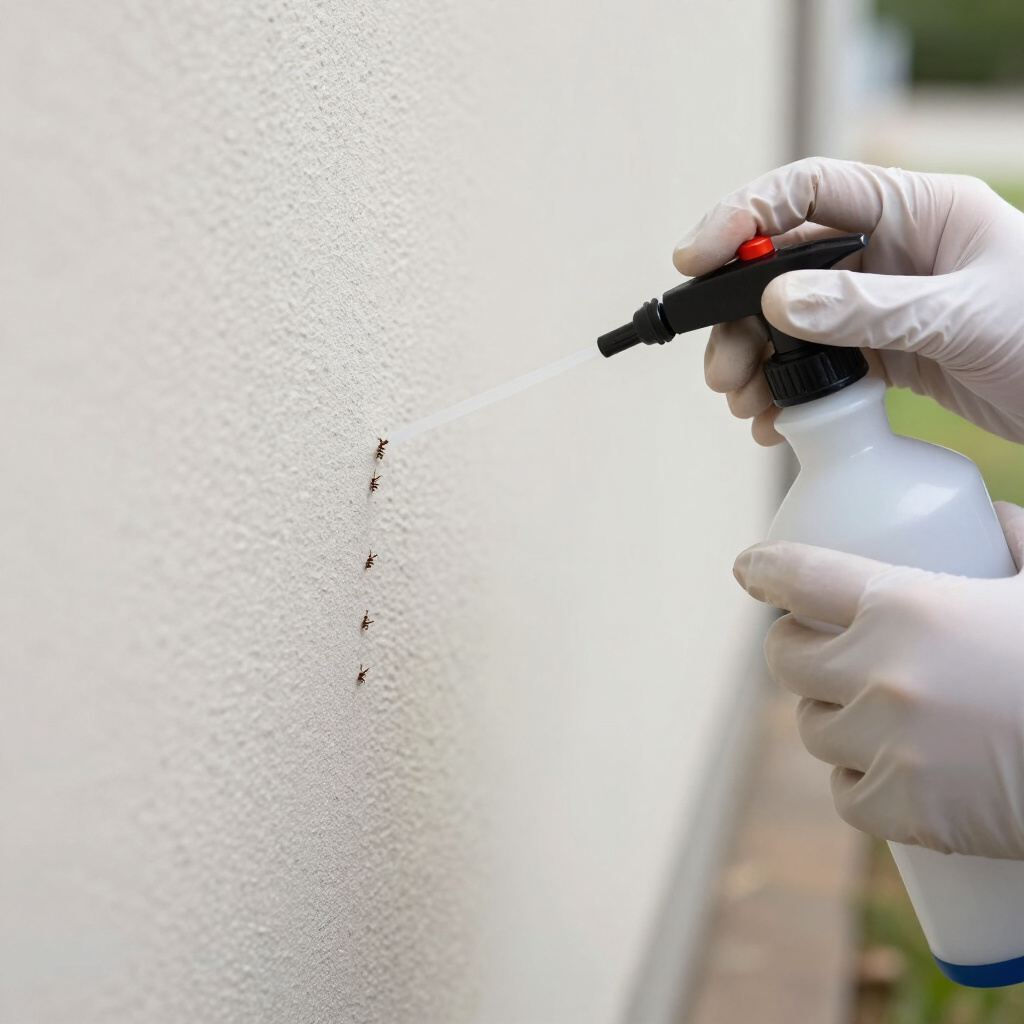


Pest Control Services in Delaware, OH
Delaware, Ohio sits at the heart of Delaware County, where the blend of suburban neighborhoods, historic districts, and surrounding farmland creates diverse pest pressures throughout the year. From the homes near Ohio Wesleyan University to newer developments along Route 23, residents face unique challenges that demand locally informed pest management strategies.
The Scioto River watershed and nearby Alum Creek State Park contribute to healthy wildlife populations—but that same abundance of nature means ants, spiders, rodents, and occasional wildlife intrusions are common concerns. Seasonal moisture patterns, particularly spring rains and humid summers, amplify problems with carpenter ants, millipedes, and occasional termite swarmers.
Professional pest control in Delaware addresses these conditions with integrated approaches: thorough perimeter treatments, targeted interior applications, and preventative measures tailored to each property's construction type and landscape features. Older homes in the historic downtown area often require specialized attention for gaps and foundation vulnerabilities, while newer construction may benefit from pre-emptive barrier systems before pest pathways establish.
Common Questions About Pest Control in Delaware, Ohio
What pests are most common in Delaware homes?
Odorous house ants and pavement ants lead complaints from spring through fall, often trailing along foundation walls and entering through kitchen areas. Spiders—including wolf spiders and occasional brown recluse sightings—frequent basements and garages. Mice become problematic as temperatures drop, seeking shelter in attics and wall voids. During wet periods, millipedes and occasional centipedes surge. Termite activity, while less visible, remains a concern given Ohio's native subterranean termite populations and the mature tree canopy throughout Delaware County.
How often should Delaware properties receive pest treatment?
Most residential properties benefit from quarterly service visits, with exterior perimeter treatments forming the foundation of protection. Homes backing to wooded areas, water features, or agricultural land may require bi-monthly attention during peak seasons. Properties with prior infestations or specific vulnerabilities—such as crawl spaces, pier-and-beam construction, or extensive landscaping against foundations—often need customized frequencies. The goal is maintaining consistent chemical barriers before pest pressures peak rather than reactive treatments after problems manifest.
Are pest control methods safe for families with children and pets?
Modern integrated pest management prioritizes targeted application over broadcast spraying. Exterior perimeter treatments using micro-encapsulated or granular formulations create protective barriers with minimal interior chemical exposure. When interior treatment becomes necessary, gel baits, dusts in wall voids, and precise crack-and-crevice applications limit accessible residues. Reputable providers discuss family-specific concerns—newborns, pet sensitivities, aquariums, or beekeeping activities—to adjust product selection and application methods accordingly. Entry restrictions, when recommended, typically range from two to four hours depending on products used.
What should Delaware homeowners do between professional visits?
Proactive maintenance significantly extends treatment effectiveness. Seal exterior gaps around utility penetrations, door thresholds, and window frames with appropriate materials—silicone caulk for small cracks, copper mesh or steel wool for rodent-prone openings. Maintain six-inch vegetation clearances from foundations and avoid mulch contact with siding. Address moisture issues promptly: clogged gutters, downspout drainage toward foundations, and irrigation overspray all attract pests. Store pantry goods in sealed containers and manage garbage with tight-fitting lids. Report unusual pest activity between scheduled visits; most service agreements include return visits at no additional cost when barrier performance needs reinforcement.
Pest Control for Delaware County's Varied Settings
The geographic diversity within Delaware's service area demands adaptable approaches. Properties near the Olentangy River corridor experience different moisture dynamics than those in the flatter agricultural stretches toward Ashley and Ostrander. Zoning transitions—from the mixed-use density near downtown Delaware to equestrian properties along Cheshire and Hyatts Roads—affect both pest types and treatment logistics.
Commercial pest control serves Delaware's growing retail corridors, restaurant districts, and light industrial facilities along US-42 and Columbus Pike, where health department compliance and reputation protection drive service standards. Multi-family housing, including the expanding apartment developments near the university and medical center, requires coordinated management to prevent unit-to-unit pest migration.